
Gaming has expanded far beyond the living room. Players now move between phones, laptops, tablets, and televisions, often within the same day. This shift has fueled an ongoing comparison between web-based gaming applications and traditional gaming consoles. Each option delivers a distinct experience shaped by performance, cost, accessibility, and long-term value. Understanding these differences helps gamers, parents, and casual players choose the setup that best fits their needs.
As gaming habits diversify, maintenance and longevity also matter. Discussions about upgrades, hardware maintenance, and even places to fix game consoles are becoming part of the broader decision-making process, especially for households weighing convenience against performance. Whether the goal is flexibility or stability, the modern gaming experience depends on more than just the games themselves.
Performance plays a central role in how immersive and responsive a game feels across different platforms. Comparing web-based gaming applications and gaming consoles requires examining how each handles speed, visual output, and system reliability under real-world conditions.
Performance defines how enjoyable a game feels. Gaming consoles are designed for consistent responsiveness. Because games run locally on dedicated hardware, input lag is usually minimal, and frame rates remain stable during extended play sessions.
Web-based gaming applications depend heavily on internet quality. Games are either streamed from remote servers or rendered in a browser, both of which introduce latency risks. Even minor delays can affect competitive or fast-paced titles.
The following are factors that influence responsiveness:
In households with strong broadband connections, web-based gaming can feel smooth. In areas with fluctuating speeds, consoles typically provide a more reliable experience.
Consoles benefit from optimized hardware and software integration. Developers tailor games to specific systems, resulting in detailed textures, consistent lighting, and predictable performance. This optimization supports immersive visuals even during complex scenes.
Web-based gaming has improved significantly. Advances in cloud rendering and browser technology allow high-definition visuals without high-end hardware. Still, visual quality may dynamically adjust based on bandwidth, leading to occasional drops in resolution. For players prioritizing visual consistency, consoles maintain an advantage.
Long gaming sessions highlight differences in stability. Consoles are built for sustained use, with cooling systems and system-level optimizations designed for gaming workloads. When issues arise, owners search for different gaming console repair options. This way, they can extend the lifespan of their gaming console.
Web-based platforms reduce hardware strain on the user’s device, but rely on external servers. Service interruptions, updates, or browser compatibility issues can affect access without warning.

Accessibility shapes how easily players can engage with games across devices, with web-based gaming and gaming consoles differing in flexibility, upfront cost, and control options.
Web-based gaming applications excel in accessibility. Many titles run across phones, tablets, laptops, and desktops without downloads. This flexibility supports casual play and shared family use. Players can start a game on one device and continue on another with minimal setup.
Consoles focus on a single environment. While some offer remote play features, the core experience remains tied to the console itself. For households with shared screens, this can limit availability.
Initial costs differ significantly. Consoles require upfront hardware purchases, accessories, and sometimes paid online services. Over time, owners may also budget for gaming console repair or efforts to fix game consoles as systems age.
Web-based gaming usually lowers the entry barrier. Many platforms operate on subscription models or free-to-play structures, eliminating the need for expensive hardware.
Cost considerations are:
For budget-conscious families, web-based options can provide an accessible introduction to gaming.
Input methods shape comfort and performance. Consoles support standardized controllers optimized for gaming. This consistency benefits genres like sports, racing, and action games.
Web-based games offer broader input options:
This flexibility suits casual players but may require adjustments to the setup for optimal performance.
The strength of a gaming platform is closely tied to the variety, longevity, and management of its available content. Differences in exclusive titles, update cycles, and family controls significantly influence overall player experience and long-term satisfaction.
Consoles are known for exclusive games developed specifically for their ecosystems. These titles showcase the hardware's full capabilities and contribute to long-term value. For many players, exclusives justify the investment and can even encourage gaming console repair when a system experiences issues.
Web-based gaming emphasizes accessibility over exclusivity. Libraries emphasize casual, indie, or cross-platform titles.
Console games typically receive structured updates and long-term support. Physical and digital libraries remain accessible even if online services change. When hardware issues occur, owners may choose to fix game consoles rather than replace entire systems.
Web-based platforms update continuously, sometimes altering or removing games without user control. While this ensures access to the latest versions, it can limit long-term ownership.
Both options offer parental controls, but consoles provide more granular system-level management. Parents can set playtime limits, restrict purchases, and manage content ratings.
Web-based gaming relies on platform-specific controls, which vary in effectiveness. Families may need to manage multiple accounts across devices.
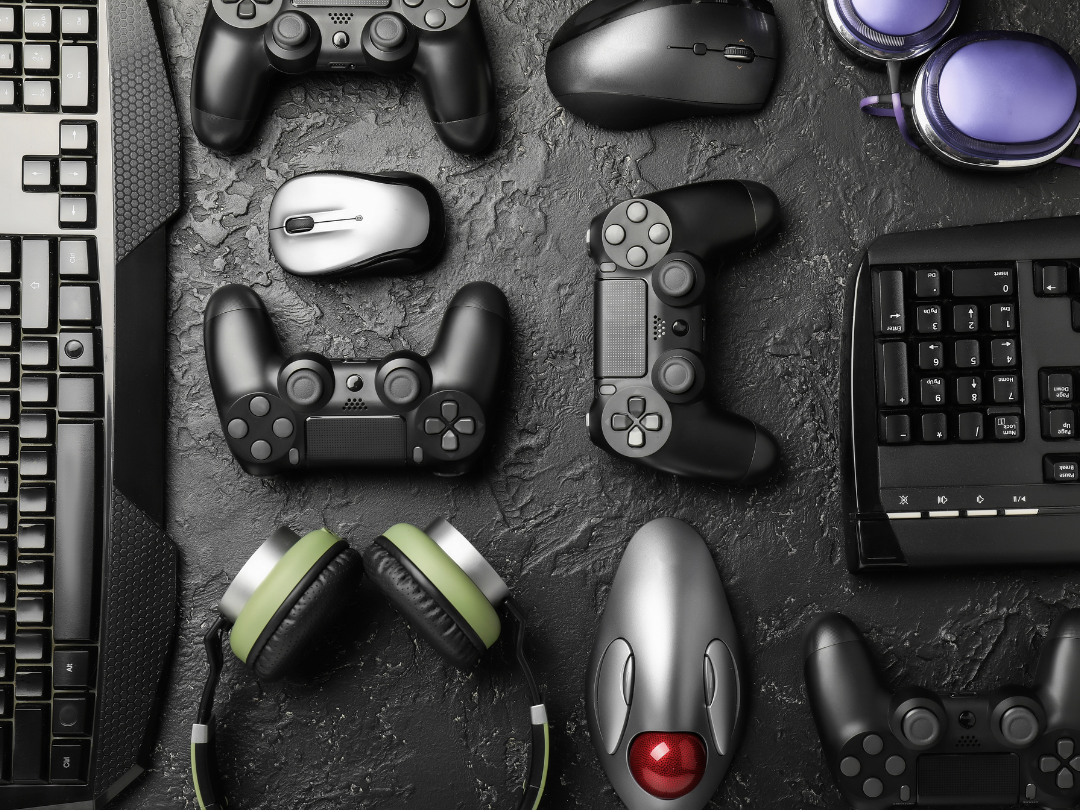
Ownership extends beyond purchase price. Consoles represent a long-term investment. Over several years, costs may include accessories, subscriptions, and gaming console repair services. Many users choose to fix game consoles to preserve saved data and game libraries.
Web-based gaming shifts costs toward subscription and connectivity fees. Hardware upgrades are less critical, but ongoing access depends on service availability and internet reliability.
Recent data shows that cloud gaming accounted for about 43 percent of the North American market in 2025, highlighting how widespread web-based gaming and streaming have become.
Choosing between web-based gaming applications and gaming consoles depends on whether players prioritize performance or flexibility. Consoles deliver consistent power, optimized graphics, and exclusive titles. At the same time, web-based gaming offers lower upfront costs and easy access across multiple devices.
Performance remains a defining factor. Consoles provide low latency, stable visuals, and offline play, whereas web-based platforms rely on internet quality and subscription models. Each option carries different costs and reliability considerations.
Long-term value comes from durability and upkeep. Consoles can last for years when users invest in gaming console repair or take steps to fix game consoles as wear occurs, helping elevate the gaming experience without frequent replacements.
Ultimately, hardware limitations and maintenance needs influence decisions. Some players prefer the simplicity of browser-based access. In contrast, others value the durability of physical systems and are comfortable seeking places to fix game consoles when problems arise. Overall, both paths offer valid experiences, and informed choices help elevate the gaming experience across different lifestyles and expectations.
Get free resources, tips & tricks, exclusive news, and special offers by joining the Cryptonite Newsletter.


.svg)