
Imagine a world where your in-game assets aren't just part of a fleeting experience but hold real-world value and can be traded or sold for tangible returns. This is the reality that NFTs (non-fungible tokens) are ushering into the gaming industry. Leveraging blockchain technology, these unique digital assets have revolutionized video games by introducing concepts like digital ownership, authenticity verification, and the monetization of gaming content. With blockchain integration, NFTs in gaming take the form of rare game items, in-game rewards, and game tokenization, creating new virtual economies. Featuring programmable game assets, interoperable games provide seamless experiences across different platforms. Blockchain game development further enhances this by enabling trading virtual assets on vibrant NFT markets. Smart contracts ensure secure transactions, promising an exciting future where NFT gaming platforms redefine video games and the broader realm of NFTs and eSports.

NFTs, or non-fungible tokens, represent unique digital assets that cannot be replaced with something else. In the gaming industry, NFTs are revolutionizing the way digital ownership is perceived. With blockchain technology at its core, NFTs provide a verifiable proof of authenticity, ensuring each token’s uniqueness. This has paved the way for collectible games and programmable game assets, creating a fresh layer of monetization of gaming content.
Did you know? According to a recent report, the global NFT market reached a staggering $41 billion in 2021, highlighting the immense potential NFTs hold for virtual economies. When you dive into blockchain games, you're not just enjoying immersive gameplay; you're also investing in rare game items that can be traded or sold. Blockchain integration in these games makes trading virtual assets seamless and secure through smart contracts.
In the realm of video games, NFTs take various forms such as in-game assets and game art NFTs. This innovative approach opens doors for NFT markets where you can buy, sell, and trade your prized possessions. Game tokenization also ensures that the value extends beyond gameplay, incorporating it into larger virtual economies. As NFTs gain traction, in-game rewards may include unique assets that offer value far beyond the screen.
Moreover, NFTs and eSports are becoming increasingly intertwined, with NFT gaming platforms offering new ways to engage and invest. Blockchain game development has led to the creation of interoperable games, where in-game items can be transferred across different games and platforms. This not only enhances the gaming experience but also builds robust virtual economies that continue to grow and evolve.

The rise of NFTs in gaming has brought a transformative shift in the industry. Digital ownership has become a key component, allowing players to truly own their in-game assets. Blockchain technology underpins this evolution, ensuring the uniqueness of NFTs through authenticity verification. Major blockchain game development projects are focusing seriously on incorporating NFTs, which facilitate game tokenization and programmable game assets.
In the words of venture capitalist Andreessen Horowitz, "NFTs are enabling entirely new forms of interaction and ownership in the digital world." This holds especially true in the gaming industry where NFT markets are thriving. You can trade virtual assets on these platforms, contributing to new virtual economies where rare game items hold substantial value. Even the design of NFT games has seen innovation, making in-game rewards more enticing and valuable.
The scope of blockchain integration in gaming extends beyond trading and ownership. Interoperable games are emerging, allowing assets to be used across multiple games, enriching your gameplay experience. With the advent of NFTs in eSports and collectible games, you can also see NFT game investment becoming a viable option. As these trends continue to develop, blockchain games offer a robust and immersive experience like never before.

Several examples of NFTs in video games illustrate how they're reshaping the gaming landscape. One such example is Axie Infinity, a game that allows you to collect, breed, and trade fantasy creatures called Axies. These Axies are non-fungible tokens that you can trade on various NFT markets. This aspect of digital ownership has given rise to a robust virtual economy within the game, driven by blockchain technology.
A closer look at CryptoKitties reveals how this game pioneered the concept of NFTs in gaming. Each CryptoKitty is a unique, non-fungible token that can be bought, sold, or bred to create new CryptoKitties. This game tokenization offers you the chance to engage deeply with the game while also allowing for the monetization of gaming content. As a blockchain game, CryptoKitties demonstrated the potential of programmable game assets.
Another compelling case is The Sandbox, which lets you build, own, and monetize your gaming experiences using NFTs. Here, in-game assets like land parcels and game art NFTs are represented as non-fungible tokens. The interoperability of these assets across different gaming environments showcases the power of blockchain integration in creating interconnected virtual worlds. This increases the value of your investment in these rare game items.
Decentraland offers another intriguing example where you can purchase virtual real estate using cryptocurrency, which is then converted into NFTs. This blockchain game integrates in-game rewards, allowing you to earn through various activities. Such a model ensures that your game items have real-world value, reinforcing the uniqueness of NFTs and their role in virtual economies.

The benefits of NFTs to gamers and game developers extend well beyond mere digital collectibles. For gamers, NFTs introduce true digital ownership, which means you can buy, sell, or trade in-game assets just like physical goods. This leads to the creation of vibrant virtual economies. The in-game rewards you collect, such as rare game items, can be exchanged on NFT markets, offering real-world value.
For example, in games like Decentraland, you can buy virtual land using cryptocurrency, creating an entirely new avenue for game tokenization. This blockchain integration not only enhances the overall gaming experience but also presents you with opportunities for NFT game investment. You can participate in various events within the game to earn valuable in-game rewards, thereby increasing the utility of your game assets.
Game developers also reap significant advantages from NFTs. The uniqueness of NFTs ensures that each digital item is distinct, fostering a market for rare game items and collectible games. By integrating blockchain technology, developers can implement smart contracts to facilitate secure transactions. This allows for trading virtual assets directly within the game environment, enhancing the overall depth and engagement of the game. NFTs also pave the way for innovative NFT game designs that capture the imagination of both developers and players.
NFTs provide a new revenue stream for developers through the monetization of gaming content. For instance, platforms like The Sandbox allow developers to create and sell their game art NFTs. This not only diversifies income sources but also enhances player retention by offering new, engaging content. Blockchain game development fosters the creation of interoperable games where assets can move between different games seamlessly.
Furthermore, the unique features of NFTs enhance the authenticity verification of in-game assets. When you buy an NFT, there's transparent proof of its origin and ownership history, adding a layer of trust. This makes NFTs especially relevant in competitive and collectible games where ownership and authenticity are pivotal, offering a richer and more secure experience for both gamers and developers.
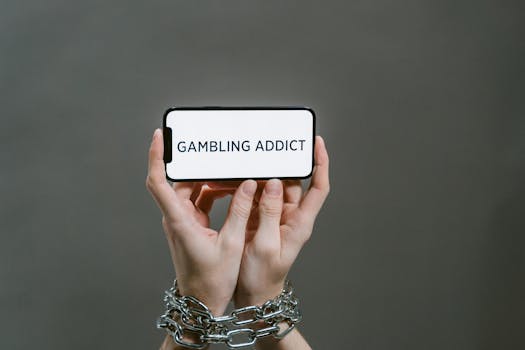
How do NFTs impact the gaming community? While NFTs offer a plethora of benefits to gamers and developers, they come with potential downsides as well. One major concern is the environmental impact associated with blockchain technology. The process of mining cryptocurrency, which underpins NFTs, consumes a significant amount of energy. This high energy usage raises questions about the sustainability of NFTs in gaming.
Market volatility is another significant issue. The value of NFTs can fluctuate dramatically due to their connection with cryptocurrency markets. This volatility means that the in-game assets you own might lose value quickly, turning what seemed like a valuable investment into a digital liability. Additionally, the rapid rise in NFT markets has led to speculative trading, which can overshadow the core enjoyment of video games.
Scams and fraud are also prevalent concerns. Because NFTs are relatively new, the ecosystem lacks mature regulatory frameworks. This lack of regulation can expose you to scams where counterfeit or plagiarized assets are sold. In the words of cybersecurity expert David Carlisle, "The nascent NFT market is a playground for fraudsters and con artists." Authenticity verification mechanisms need to be robust to avoid such pitfalls, but even then, they are not foolproof.
Another downside is the potential for an exclusionary market. High entry costs associated with popular NFTs can make it difficult for average gamers to participate. This could create a divide within the gaming community, where only those who can afford rare game items or participate in NFT game investment are able to fully engage. Such a scenario could limit the inclusivity and enjoyment that video games traditionally offer.
Lastly, the complexity of blockchain integration and smart contracts can be a hurdle. Not all gamers are tech-savvy enough to understand the intricacies of blockchain games. This steep learning curve can deter new players from trying out NFT gaming platforms, affecting the overall growth and adaptation of NFTs in gaming. These potential downsides highlight the need for careful consideration and balanced approaches when integrating NFTs in the gaming industry.
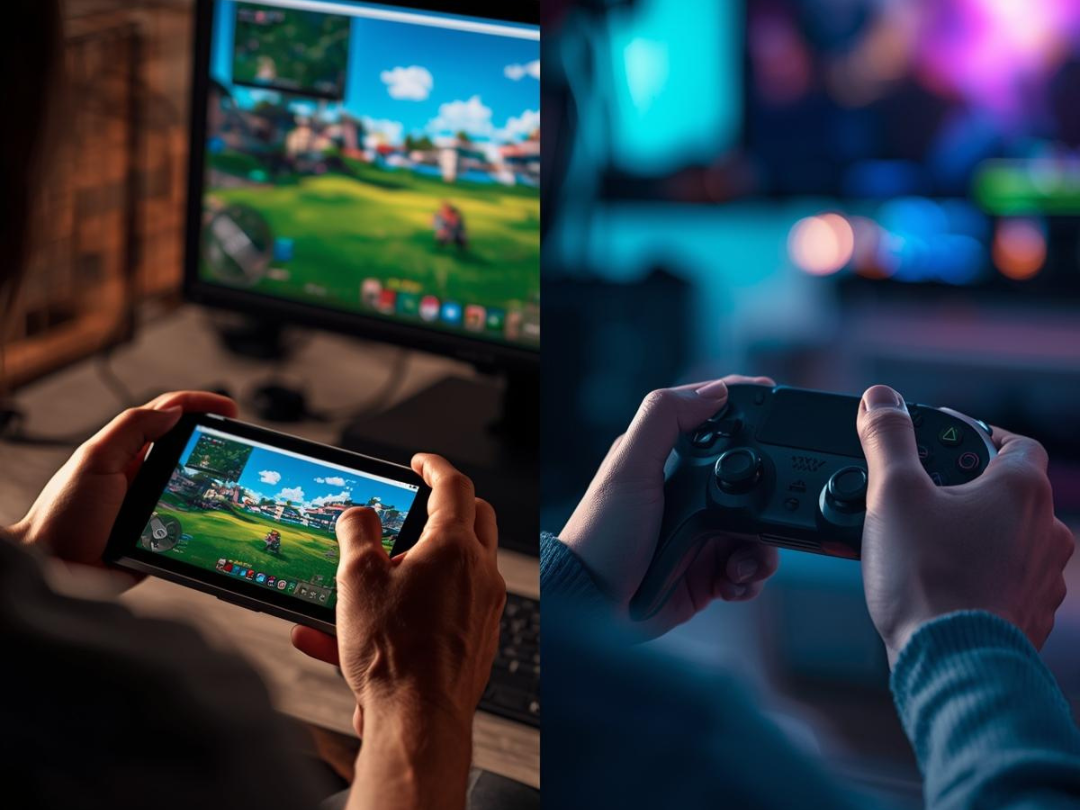
The future of NFTs in gaming appears dazzling yet complex. Comparing traditional in-game assets to NFTs, the latter offers unparalleled digital ownership and a decentralized structure, underpinned by blockchain technology. This shift allows you to convert in-game rewards into real-world value, facilitating trading virtual assets in NFT markets. Unlike conventional game assets, NFTs are programmable and verifiable, enhancing their uniqueness and authenticity.
Blockchain games go beyond mere gameplay, blending with virtual economies and cryptocurrency. Unlike older models, NFT game designs incorporate smart contracts to streamline transactions and ensure security. These interoperable games create consistent experiences across platforms, boosting the overall appeal of blockchain integration in gaming. The rise of smart contracts also simplifies trading, making it easier for you to manage your digital portfolio.
Comparing Gaming dApps to standard game applications reveals another layer of innovation. Decentralized apps enhance user control and provide more transparency. You can invest in NFT game platforms that offer not just entertainment but potential financial returns. This seamless blend of fun and financial opportunities makes NFTs a game-changer. From rare game items to game art NFTs, the next wave of blockchain game development promises a richer, more engaging future in the gaming industry.
Get free resources, tips & tricks, exclusive news, and special offers by joining the Cryptonite Newsletter.




.svg)