
Delving into the world of options trading opens up a realm filled with innovative trading strategies and nuanced financial instruments crafted to amplify your market engagement. At its core, options allow you to trade stock options, which include buying and selling call options and put options, without the immediate obligation to purchase or sell the underlying asset. By understanding tools like the vertical spread, diagonal spread, and butterfly spread, you can unlock sophisticated strategies that cater to both risk management and profit maximization. A grasp of concepts like option volatility, implied volatility, premium decay, and delta hedging is crucial as they play pivotal roles in shaping your approach to volatility trading. Strategies such as the straddle strategy and strangle strategy are essential for navigating market trends during crucial periods like earnings reports. Meanwhile, covered calls, iron condor, and protective puts offer varying levels of risk exposure and reward potential. Mastering leverage in options and timing with options expiration are critical in controlling market speculation. Dive deep into the dynamics of option Greeks and anticipate how external factors influence your trading decisions. By exploring these insights, you're better equipped to craft a personalized trading strategy suited to your financial goals and market outlook.
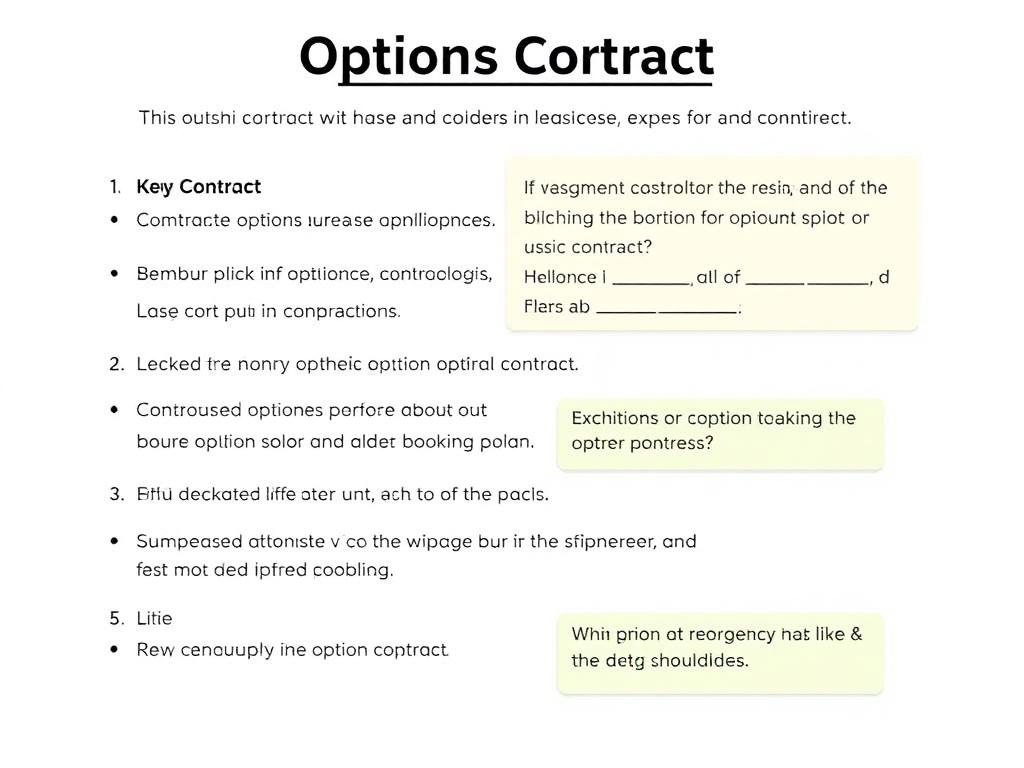
Understanding the basics of options is crucial for unlocking their full potential. In the fascinating world of options trading, you learn about contracts that grant you the right, but not the obligation, to buy or sell a stock at a predetermined price. Call options offer you the chance to purchase, while put options give you the potential to sell. Both offer a strategic way to capitalize on market trends and manage risk within diverse personal portfolios.
Looking at trading strategies through the lens of historical market behavior, you can see that options offer flexibility and leverage. Covered calls and protective puts provide beneficial hedging mechanisms against market downturns. Meanwhile, engaging in a butterfly spread or an iron condor can capture price movements in a less volatile market. These approaches require a keen understanding of both implied volatility and market expectations.
Exploring complex structures like vertical spreads and straddle strategies opens up new horizons in effective investment. These strategies cater to traders with varying objectives, whether it be generating income through option selling or price speculation via option buying. They allow you to tailor your strategies according to your market outlook and risk tolerance, employing simultaneous long calls, short calls, or other combinations with different expiration dates.
As you delve deeper, recognize the essential role of the option Greeks—Delta, Gamma, Theta, and Vega—in shaping your decision-making process. These components help in proactively responding to changing market conditions and understanding premium decay. Comprehending these concepts empowers you to refine your approach to delta hedging and volatility trading, ultimately enhancing your ability to act upon earnings reports with informed confidence.

Call options are a fundamental part of options trading, providing significant opportunities for strategic financial growth. When you purchase a call option, you acquire the right to buy a stock at a set price within a specific timeframe. This can be particularly advantageous in a bullish market, where the potential for stock appreciation increases the chances of a successful trade. The leverage in options amplifies gains while initial investments remain relatively low.
Call options can play an important role in your broader trading strategies. By including covered calls in your portfolio, you can generate additional income on stocks you already own, thus enhancing your overall returns while managing risk. Moreover, using call options allows you to participate in upward market trends without committing to outright stock purchasing, making them a preferred tool among traders looking to balance risk and reward.
How do call options impact your ability to capitalize on market trends? They offer a flexible framework to execute trading strategies based on your market outlook. Whether through long call positions allowing you to benefit from rising markets or short call positions enabling you to capitalize when prices are expected to decline modestly, call options help you maintain a proactive stance in your investment approach, mitigating losses and leveraging current conditions.
By leveraging the power of call options, you can explore advanced strategies such as a vertical spread, which includes buying and selling call options at different strike prices—effectively harnessing price movements based on implied volatility. The use of options Greeks, including Delta and Theta, further informs decision-making processes, enhancing your ability to optimize trades based on calculated risk assessments and dynamic market changes.
Incorporating call options within a broader volatility trading strategy acknowledges market behaviors that influence stock prices. Identifying opportunities related to earnings reports or market shifts requires a nuanced understanding of option volatility. Employ the potential of call options to construct comprehensive strategies that cater to diverse financial objectives, informed by current and projected market trends.
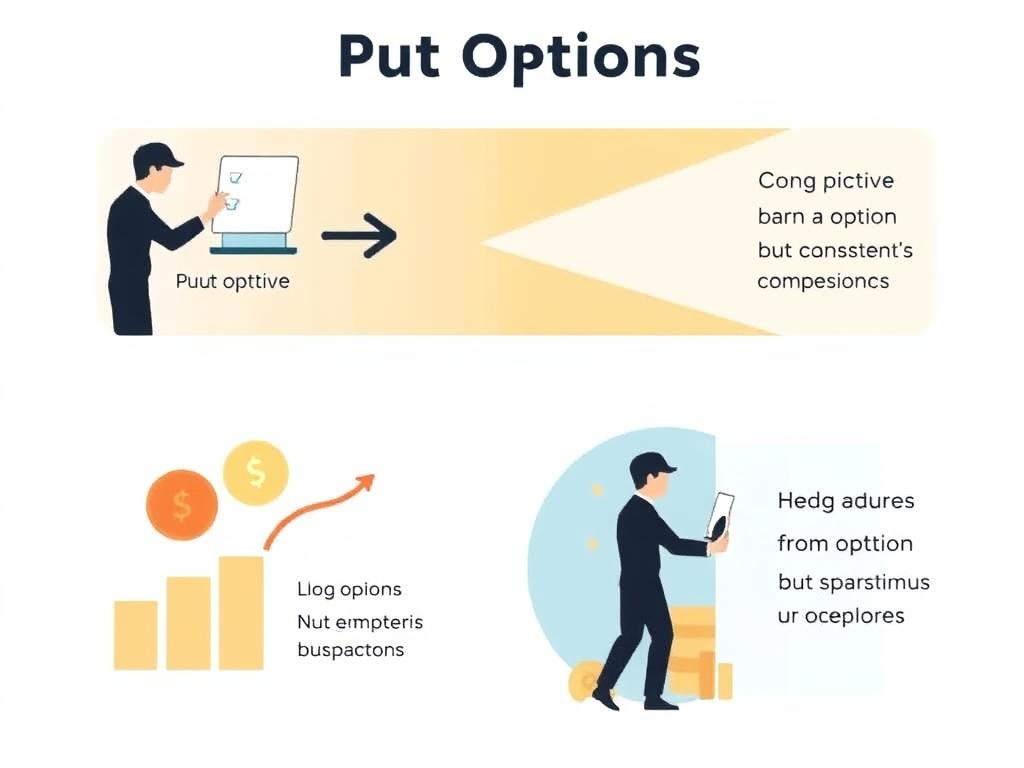
Put options serve as a vital tool in options trading, offering protection and a chance to profit from declining markets. When you hold a put option, you have the right to sell stock options at a predetermined price, which provides a hedge against falling stock prices. This makes put options a cornerstone of risk management, allowing you to safeguard your portfolio against potential losses in unpredictable markets.
With strategies like protective puts, you can shield your investments from significant downturns while retaining the flexibility to benefit if the market rebounds. Such strategies empower you to maintain stability within your portfolio amidst market volatility. By incorporating options selling within a put strategy, you can also generate additional income, strategically balancing risk while keeping an eye on market trends and option volatility.
In the next few years, the utilization of put options is likely to expand among traders as they increasingly seek sophisticated risk management solutions. As market conditions become more uncertain, put options will play a critical role in crafting diversified portfolios that cater to both defensive and speculative objectives. The strategic use of options Greeks combined with diagonal spread opportunities will enhance your ability to navigate these complex environments with increased confidence and precision.
Exploring the benefits of put options also involves understanding premium decay and implied volatility. Navigating these components effectively requires active management and timely decision-making. By assessing the right timing and executing planned strategies, you can ensure effective protection against adverse price movements, while optimizing potential returns on your investments.
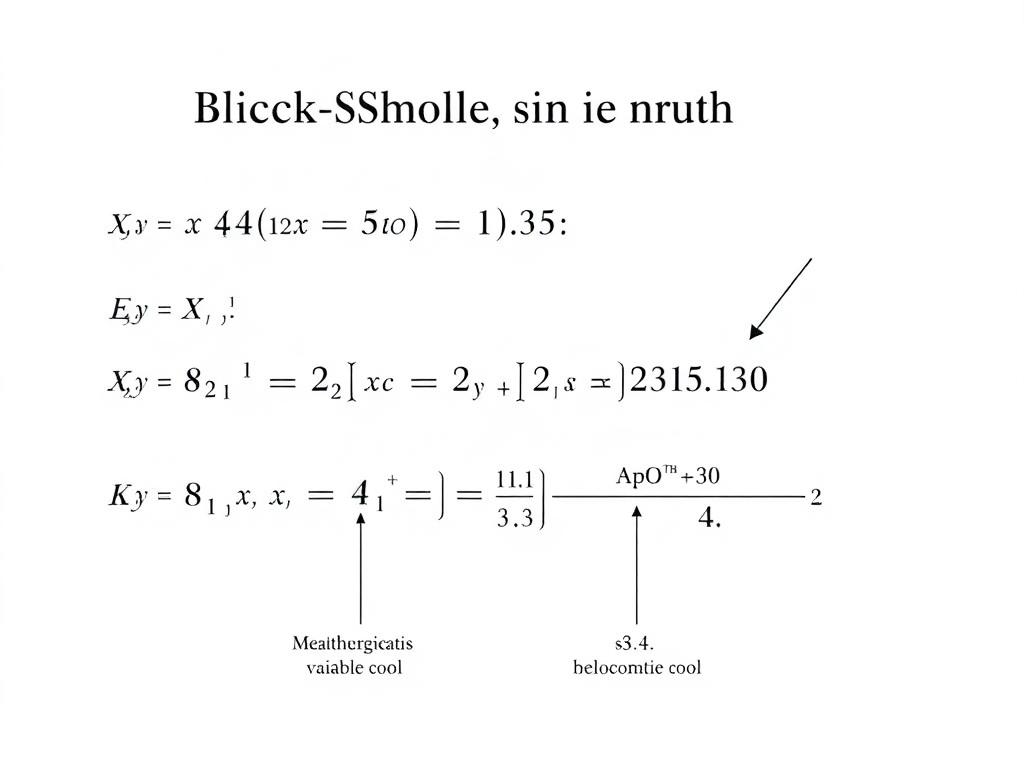
The Black-Scholes Model plays a pivotal role in the world of options trading by providing a mathematical approach to pricing options. At its essence, this model allows you to estimate the fair value of call and put options, helping inform your investment decisions and strategies. By considering factors such as stock price, options expiration dates, and implied volatility, the model equips you with the necessary insights to engage in sound risk management.
Understanding the Black-Scholes Model enhances your ability to explore various options trading strategies, such as the vertical spread and butterfly spread. These strategies benefit from precise pricing mechanisms provided by the model. Knowing how to leverage these insights assists in reducing exposure through strategies like delta hedging while engaging in speculative approaches, such as volatility trading or strategizing around earnings reports.
Looking ahead, the Black-Scholes Model is expected to evolve in the following ways, incorporating new modifications to account for changing market dynamics and more complex financial instruments. Its evolution will likely address limitations like assumptions of constant volatility and risk-free interest rates, allowing traders to refine their approaches to option buying and selling with greater precision. This evolution is poised to enhance its adaptability, making it even more relevant in crafting nuanced trading strategies.
In tandem with the model, understanding concepts such as premium decay and option Greeks bolsters your ability to make informed decisions that align with market trends and objectives. As options trading continues to grow, integrating the Black-Scholes Model into your analytical toolkit supports you in developing comprehensive strategies that capitalize on opportunities and mitigate potential risks effectively.
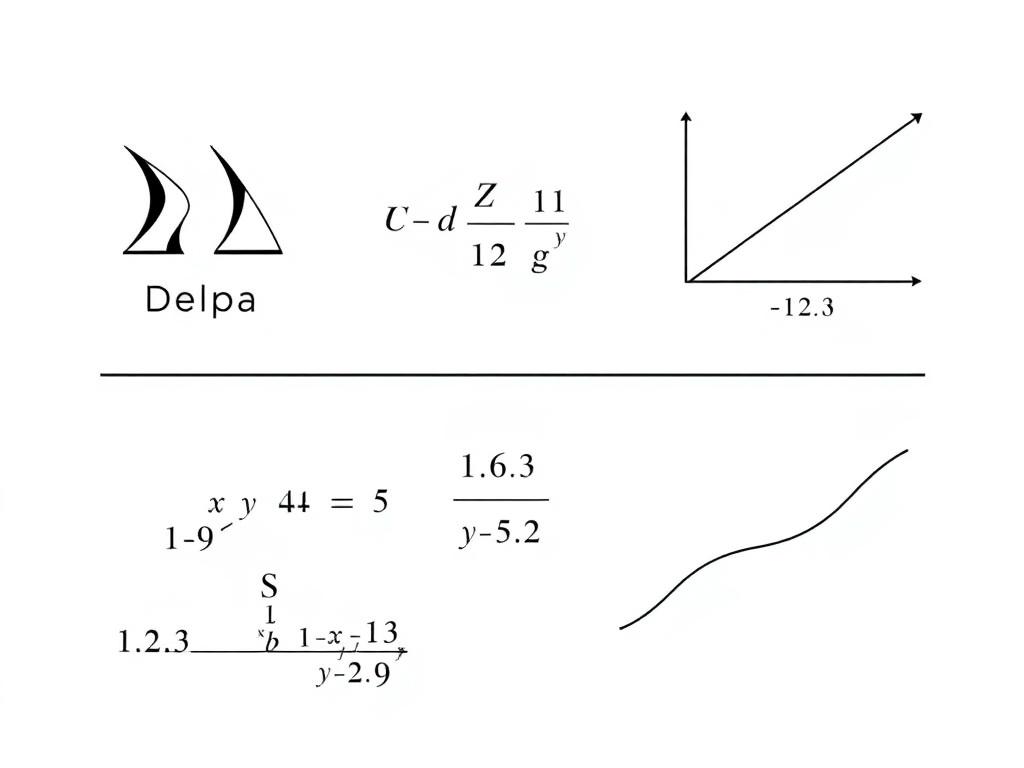
The Greeks play an indispensable role in options trading by providing precise measurements that help you manage risk. These variables, including Delta, Gamma, Theta, and Vega, serve as essential guides in predicting how changes in market conditions affect the price of stock options. By examining these components, you gain insight into how option premiums react to varying market environments, aiding in crafting sound trading strategies.
One of the most frequently asked questions about the Greeks is "How do they aid in precise risk management?" Here’s the answer: The Greeks allow you to quantify different risk factors associated with options positions. For example, Delta measures the sensitivity of an option's price relative to the price of the underlying asset, facilitating informed decisions on whether to maintain or alter positions like long calls or vertical spreads based on current market trends.
Exploring the Greeks highlights the importance of employing strategic hedging techniques like delta hedging and understanding option volatility. By doing so, you can effectively mitigate potential losses while leveraging opportunities for gain. This careful manipulation of the Greeks enhances strategies such as iron condor and butterfly spread, allowing you to respond fluidly to changes in market conditions, earnings reports, and premium decay.
Understanding the full impact of the Greeks on options expiration is crucial in maximizing the effectiveness of option buying and selling. By monitoring these variables, you ensure that your trading strategies are aligned with anticipated market movements. Integrating the Greeks into your broader risk management approach not only protects your investments but also positions you to exploit emerging opportunities within the options trading landscape.
Developing a concrete options trading plan is foundational for achieving success in this dynamic market. Such a plan necessitates a thorough understanding of market trends, risk management techniques, and strategic option positions tailored to individual financial goals. Begin by clearly defining your objectives, whether they are speculative or hedging-centric, which will guide your choice of instruments such as call options or put options. Incorporate strategies like covered calls and butterfly spreads to balance risk and reward effectively.
Tracing its evolution from the early days of the stock markets in the late 17th century to the sophisticated financial systems of today, options trading has grown substantially in complexity and accessibility. Recognizing this history underlines the importance of understanding modern trading strategies, such as delta hedging and straddle strategies, which capitalize on fluctuations in implied volatility and premium decay. Your trading plan should adapt to these historical developments, ensuring it harnesses both time-tested strategies and contemporary insights, including the crucial role of option Greeks and their impact on options expiration, all while considering upcoming market events like earnings reports.
When refining your options trading plan, integrate both vertical and diagonal spreads to exploit different market scenarios. Utilize the historical context to cultivate adaptive strategies that align with your market outlook, ensuring you leverage options to enhance investment returns within acceptable risk parameters. A solid plan accounts for market volatility and essentially becomes your blueprint for navigating the vast landscape of options trading with confidence and precision, positioning you to capitalize on future opportunities.
Get free resources, tips & tricks, exclusive news, and special offers by joining the Cryptonite Newsletter.





.svg)