
In the digital age, NFTs, or non-fungible tokens, have emerged as revolutionary digital assets, changing how you perceive art, ownership, and even the concept of value. At the heart of NFTs is the blockchain, a secure and transparent digital ledger that ensures authenticity and ownership verification. You might wonder why NFTs have become so prominent; the answer lies in the unique interplay between blockchain technology and these digital resources. Blockchain's decentralized finance and smart contracts enable seamless, peer-to-peer transactions, giving birth to digital ownership like never before. Ethereum, a leading blockchain network, is pivotal due to its robust infrastructure and ability to facilitate decentralized applications, making it the go-to platform for most NFT marketplaces.
When you purchase an NFT, you're not just acquiring a piece of digital art or a crypto collectible; you're gaining a slice of digital provenance and certification. This means each NFT’s history and authenticity are recorded on the blockchain ledger, providing an unalterable record that enhances the value and trust in these assets. The blockchain ecosystem supports NFT trading, offering scalability and innovation that expands beyond art into realms like digital identity and tokenization. Engaging with NFTs means participating in a broader blockchain innovation space, where cryptographic tokens and decentralized applications continually evolve, offering new avenues for investment and interaction.

Think of NFTs as unique digital fingerprints in the vast universe of digital assets. Unlike traditional cryptocurrency, each NFT is a unique, non-interchangeable unit, which means no two NFTs are the same. This uniqueness is secured through blockchain technology, ensuring that your digital ownership is indisputable and verifiable. Each NFT is stored on a blockchain ledger, where its complete history, from creation to current ownership, is meticulously recorded.
Just like collecting rare stamps or vintage art, owning an NFT provides both a tangible sense of possession and an investment opportunity. The digital provenance and certification ingrained within NFTs add layers of value and authenticity. This makes NFTs an integral part of decentralized finance, where you can trade or sell them on an NFT marketplace, leveraging the blockchain ecosystem’s security and transparency. Through smart contracts, these transactions are executed seamlessly, offering an efficient way to manage your digital investments.
In the expansive blockchain networks, Ethereum stands out as the leading platform for NFTs. Its robust infrastructure supports the creation and exchange of NFTs through decentralized applications. This has opened up new avenues for digital artists and collectors, enabling direct peer-to-peer transactions without intermediaries. The tokenization process on Ethereum ensures that each NFT is a distinct cryptographic token, immune to forgery.
When engaging in NFT trading, you're stepping into a world of blockchain innovation. Whether it's digital art, crypto collectibles, or other digital assets, NFTs encompass a wide array of possibilities. They not only represent a new frontier in digital ownership but also promise continued growth and diversification within the blockchain scalability framework. This entails that the ecosystem is ever-expanding, providing fresh opportunities for NFT investment and ownership verification.
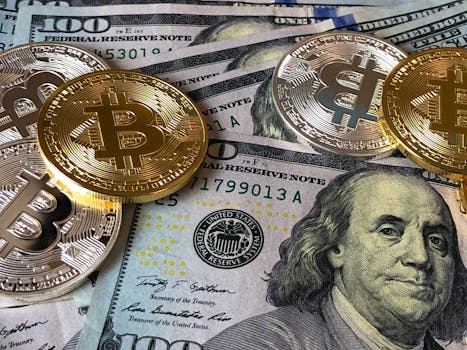
Blockchain is the backbone of NFTs and many other digital assets, operating as a decentralized digital ledger that records transactions across multiple computers. This technology ensures that data entries, such as the creation and transfer of non-fungible tokens, are secure and transparent. Each block in the blockchain is interlinked and contains a cryptographic hash of the previous block, forming a chain. This structure not only prevents tampering but also enhances blockchain security.
Insights from blockchain expert Vitalik Buterin, co-founder of Ethereum, suggest that blockchain technology's decentralized nature is key to its innovation and resilience. This system supports smart contracts, which are self-executing contracts with the terms directly written into code. These smart contracts are fundamental in the NFT marketplace, enabling peer-to-peer transactions with reduced risk. They also facilitate digital ownership and certification, making the blockchain ecosystem an impervious fortress for verifying authenticity and ownership of digital art and other crypto collectibles.
In the growing realm of decentralized finance, blockchain networks like Ethereum have become essential for tokenization, creating distinct cryptographic tokens that represent ownership of assets both tangible and digital. Blockchain-enabled NFT trading has introduced a new era of digital provenance and investment, shedding light on the scalability and potential of this technology. From enabling decentralized applications to providing a solid foundation for digital identity systems, the blockchain ledger's reliable and immutable nature ensures that every transaction and ownership claim is preserved, creating a seamless environment for NFT authentication and ownership verification.
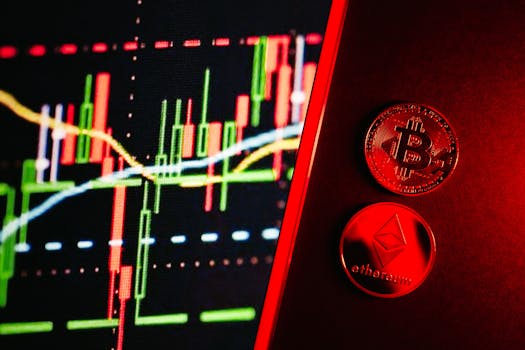
Blockchain technology powers NFTs by providing a secure and transparent platform for their creation and transfer. Each non-fungible token is recorded on a blockchain ledger, which ensures that all transactions are immutable and auditable. This ledger acts as a universal source of truth, maintaining ownership verification for digital assets. Through blockchain security measures, the risk of fraud is significantly reduced, making the NFT marketplace a reliable environment for buying and selling unique digital art and crypto collectibles.
Comparing traditional centralized databases to blockchain, the latter offers decentralized applications that remove the need for intermediaries. This allows peer-to-peer transactions to occur directly between users, facilitated by smart contracts. These contracts automatically execute and enforce the rules associated with NFT trading, ensuring seamless ownership transfer and authentication. Ethereum, a leader in blockchain innovation, exemplifies this through its robust network that supports tokenization and decentralized finance.
Blockchain scalability ensures that NFT transactions can grow alongside increased demand without compromising on speed or cost. The blockchain ecosystem, particularly Ethereum, is designed to handle a high volume of transactions, making it ideal for NFT investment. Digital certification embedded in each NFT provides digital provenance, recording the complete history of the asset. This comprehensive and immutable record enhances the value and trust in NFTs, distinguishing them from other digital assets.

is the process of converting digital files into unique cryptographic tokens on a blockchain, where they become verifiable digital assets. When you mint an NFT, you are embedding it into the blockchain ledger, giving it digital provenance and ownership verification. This process is intrinsic to creating digital art, crypto collectibles, or any other form of non-fungible tokens, transforming them from mere digital files into assets with real-world value.
While many believe that minting NFTs is purely a tech-savvy process relegated to blockchain experts, there’s a strong case for its accessibility to the general public. NFT marketplaces and decentralized applications have simplified the minting process, allowing even those unfamiliar with blockchain technology to create and trade NFTs. Platforms like Ethereum provide user-friendly interfaces and tools, making the creation and management of NFTs more approachable for everyone.
Once minted, these NFTs can be traded on various NFT marketplaces, a core part of the decentralized finance ecosystem. Smart contracts facilitate these transactions, ensuring secure peer-to-peer exchanges without intermediaries. This results in a more transparent and efficient marketplace, enhancing trust and security within the blockchain ecosystem. The scalability of blockchain networks like Ethereum supports high volumes of NFT trading, presenting new opportunities for investors and creators alike.
An integral aspect of minting is digital certification, which ensures that each NFT is unique and cannot be duplicated. This certification also plays a vital role in blockchain security, preventing fraud and maintaining the integrity of the digital identity linked to each NFT. As a result, NFT investment becomes more reliable and appealing, showcasing the innovation powered by blockchain technology.

Buying and selling NFTs involves engaging with a blockchain network to acquire or trade digital assets with verified digital ownership. When you purchase an NFT, you are buying a unique, non-fungible token that represents digital art, crypto collectibles, or other forms of digital content. Each transaction is recorded on the blockchain ledger, ensuring transparency and security. Platforms like Ethereum provide the foundation for the NFT marketplace, where smart contracts facilitate seamless transactions.
The current state of the NFT market shows a rapid growth trend, with an increasing number of artists, collectors, and investors participating. This surge is driven by the digital certification and proven authenticity that blockchain technology offers. NFT marketplaces are evolving, offering new features and improving user experience, making NFT trading more accessible and secure. As a result, the trend is moving towards a more mainstream adoption, expanding beyond niche communities into broader markets.
When selling NFTs, the blockchain ecosystem supports your efforts with decentralized applications and peer-to-peer transactions that minimize intermediary involvement. The blockchain scalability allows for handling high volumes of transactions, increasing liquidity in the NFT investment space. Ownership verification and NFT authentication are crucial, ensuring that each transaction is legitimate and that your digital identity remains secure. This dependable infrastructure fosters confidence among buyers and sellers, encouraging continued growth and innovation in the NFT market.

Legal and ethical considerations are crucial when dealing with NFTs. The decentralized nature of blockchain opens up complex questions about jurisdiction and compliance. You must ensure that your digital assets and transactions adhere to existing laws and regulations. Issues like intellectual property rights become significant, as the tokenization of digital art or any creative work should respect the original creator’s rights and consent. The blockchain ledger keeps a transparent record, but the legal nuances of digital ownership still require cautious navigation.
Looking at NFTs through the lens of social responsibility, we can see that environmental impact is a pressing concern. Blockchain networks like Ethereum utilize energy-intensive processes such as Proof of Work for transaction validations. This raises ethical questions about the carbon footprint associated with minting and trading NFTs. It's essential to consider blockchain innovation aiming for sustainability, like the shift towards Proof of Stake, which promises reduced energy consumption, aligning more closely with global environmental goals.
The aspect of digital identity and privacy also adds another layer of complexity. While NFTs and the blockchain ecosystem provide robust ownership verification and NFT authentication, the transparency of blockchain transactions can expose user data if not properly managed. It's vital to balance transparency with privacy, ensuring that decentralized applications incorporate features to protect personal information. Your participation in NFT trading should be mindful of these ethical considerations, promoting responsible and secure engagement in the growing digital landscape.
Get free resources, tips & tricks, exclusive news, and special offers by joining the Cryptonite Newsletter.





.svg)