
You delve into the world of NFTs, drawing attention to their burgeoning ecological impact. As digital assets gain popularity, so do concerns about their carbon footprint. The blockchain energy consumption needed for NFT mining contributes significantly to climate change. Understanding this environmental impact is vital. The vast computational power required results in substantial carbon emissions, presenting sustainability challenges in the art world. Yet, there's a silver lining. Innovations like renewable energy integration, energy-efficient blockchains, and zero-emission networks are on the horizon. By advocating for eco-friendly NFTs and responsible creation practices, you can support the move towards greener digital art solutions.

NFTs, or Non-Fungible Tokens, represent unique digital assets that exist on blockchain technology. Unlike cryptocurrencies, which are fungible and interchangeable, NFTs are one-of-a-kind, making them ideal for representing digital art, music, and other forms of media. This uniqueness has propelled NFTs into the limelight, significantly influencing how digital art is created and perceived.
From a scientific standpoint, blockchain innovation underpins NFTs with its decentralized nature. According to recent studies, blockchain energy consumption is a key factor in their environmental concerns. The process requires immense computational power, leading to a notable carbon footprint and contributing to environmental impact concerns. Awareness of these aspects is essential for understanding the broader ecological implications of NFTs.
While NFTs offer artists new avenues for monetization, they also present sustainability challenges. The ecological impact of crypto art is being addressed by introducing green NFTs. Through initiatives like carbon offsetting and the development of energy-efficient blockchains, the industry seeks to minimize the environmental impact and promote eco-conscious digital art practices.
Exploring NFTs further, you encounter the evolving landscape of digital asset sustainability. Solutions such as proof of stake and zero-emission blockchains promise to reduce energy use, aligning with sustainability in art movements. These advancements indicate a collaborative effort towards more responsible and sustainable NFT creation in the future.

As you navigate the digital marketplace, the rapid rise of NFTs is hard to ignore. These digital assets have redefined ownership and value in the virtual realm, capturing the attention of collectors and creators alike. As the demand for crypto art surges, NFTs provide unique opportunities and challenges within the decentralized networks that support them.
Comparing the traditional art market to the NFT landscape unveils distinct differences in how art is valued and exchanged. Unlike physical artworks, NFTs can be easily transferred via blockchain innovation, albeit at the cost of high blockchain energy consumption. This introduces the environmental concerns associated with their carbon footprint and the necessity for more sustainable solutions in this growing industry.
The ecological impact of NFTs in the digital marketplace has sparked efforts towards greener technologies. Carbon offsetting and the development of energy-efficient blockchains are actively being pursued to counteract the carbon emissions tied to NFT mining. Adoption of proof of stake and zero-emission blockchains showcases the industry's dedication to evolving towards sustainability in art, emphasizing the importance of responsible NFT creation and eco-conscious digital art practices.
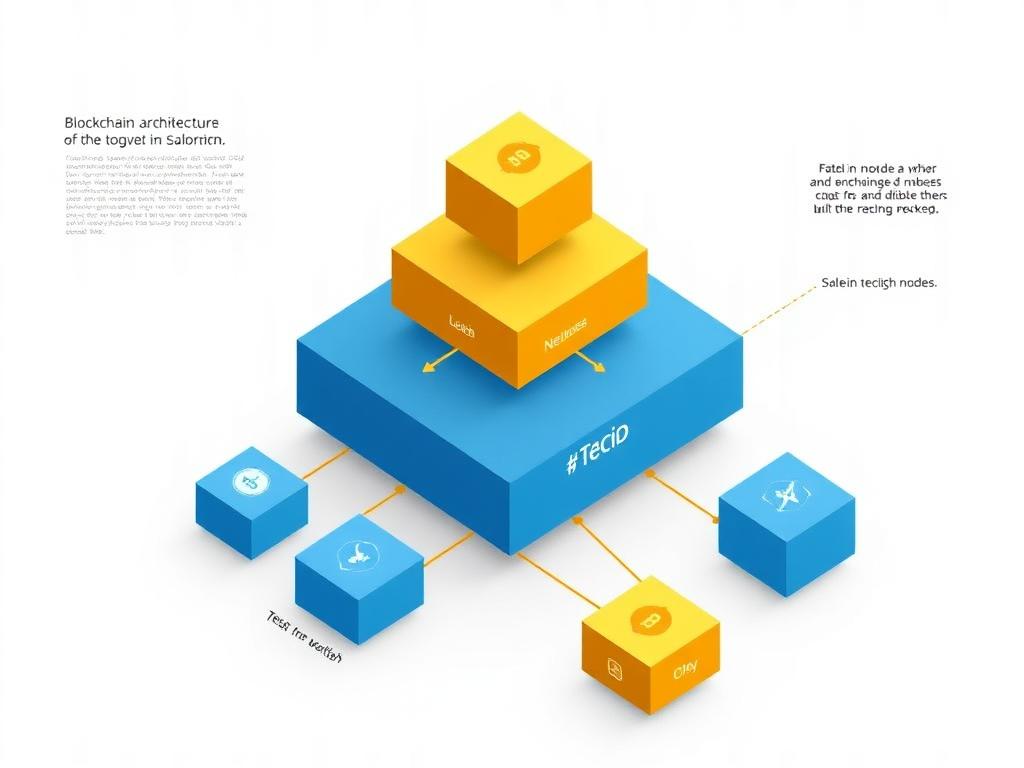
Blockchain technology forms the backbone of NFTs, providing a secure and decentralized ledger that records every transaction. In essence, it is a complex yet transparent system, much like an intricate tapestry where each thread represents a block, woven together to form an immutable record. This structure ensures that digital assets like NFTs maintain their uniqueness and provenance without the need for intermediaries.
Think of blockchain as a digital equivalent of a library where each book is a block, and together they form an extensive and continuously expanding collection. Just like books can be borrowed and returned efficiently, blockchain innovation ensures that transactions are executed swiftly and securely. However, this robust framework does bring about environmental concerns due to its substantial blockchain energy consumption.
To address the carbon footprint and ecological impact of crypto processes, there is a growing shift towards energy-efficient blockchains. The adoption of the proof of stake mechanism over the traditional proof of work is pivotal in reducing carbon emissions and promoting sustainability. This transition not only aids in creating eco-friendly NFTs but also aligns with the broader goal of achieving digital art sustainability and carbon neutrality.
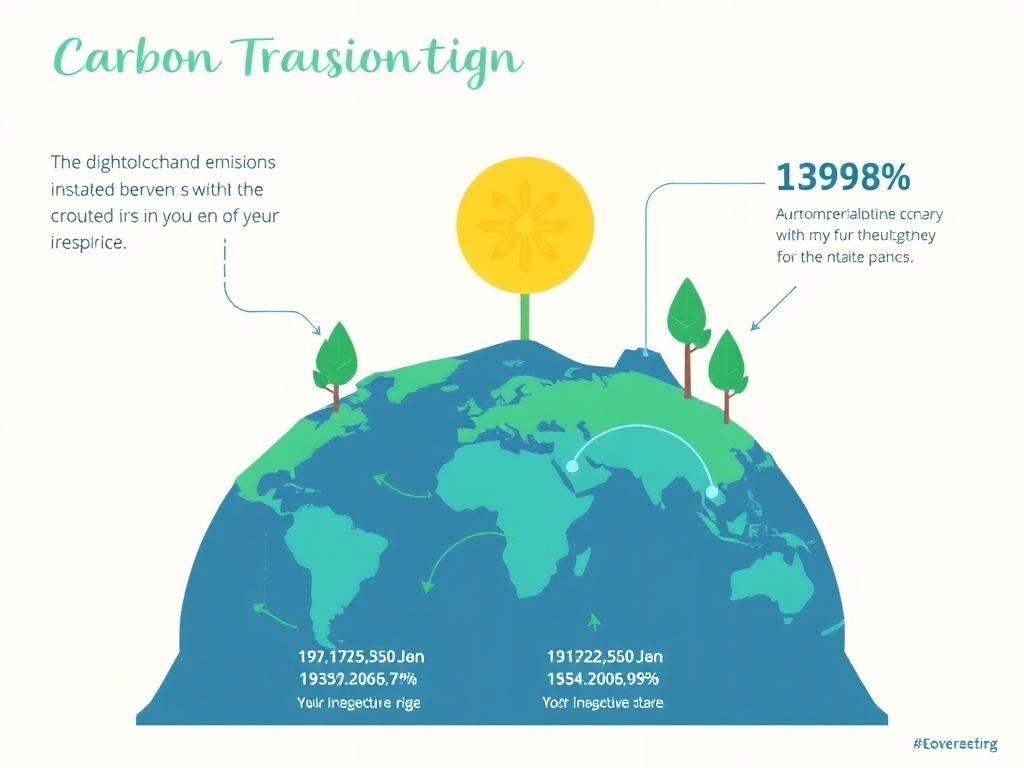
The carbon footprint of NFTs is a pressing concern in discussions about digital art sustainability. The process of NFT mining consumes significant energy due to blockchain energy consumption, resulting in carbon emissions that contribute to climate change. This ecological impact of crypto challenges the balance between advancing technology and maintaining environmental responsibility in the digital asset space.
To make the most of NFTs while minimizing their environmental impact, try integrating carbon offsetting into your approach. This involves supporting projects that reduce or capture emissions, effectively balancing out the carbon footprint associated with creating and trading NFTs. Exploring blockchain innovation aimed at energy consumption reduction also aids in crafting a more sustainable ecosystem.
An alternative solution involves leveraging energy-efficient blockchains, which promise lower energy use through mechanisms like proof of stake. These scalable solutions offer a more eco-friendly option compared to traditional blockchain methods, aligning with the principles of green NFTs. By increasing energy consumption awareness and prioritizing renewable energy sources, you can promote sustainability in art and contribute to the development of a carbon-neutral digital marketplace.

NFTs and their associated energy consumption have become a focal point in the conversation about environmental sustainability within the digital art world. The creation and trading of NFTs require significant computational power, contributing to substantial blockchain energy consumption. This high level of energy use is intrinsic to the functioning of decentralized networks and poses environmental concerns due to the resulting carbon footprint.
Looking ahead, the landscape of NFTs is expected to evolve in ways that significantly reduce their energy consumption. Innovations like proof of stake are anticipated to replace energy-intensive proof of work systems, leading to energy-efficient blockchains. Such changes can drive the transition towards eco-friendly NFTs, aligning digital art practices with the broader goals of carbon neutrality and sustainability in art.
Embracing blockchain innovation and renewable energy sources presents a promising path. By adopting energy consumption reduction strategies and zero-emission blockchains, the digital asset community can mitigate the ecological impact of crypto activities. These developments in NFT technology underscore the importance of ongoing conservation efforts and the commitment to responsible NFT creation, ultimately fostering a more sustainable digital marketplace for the future.
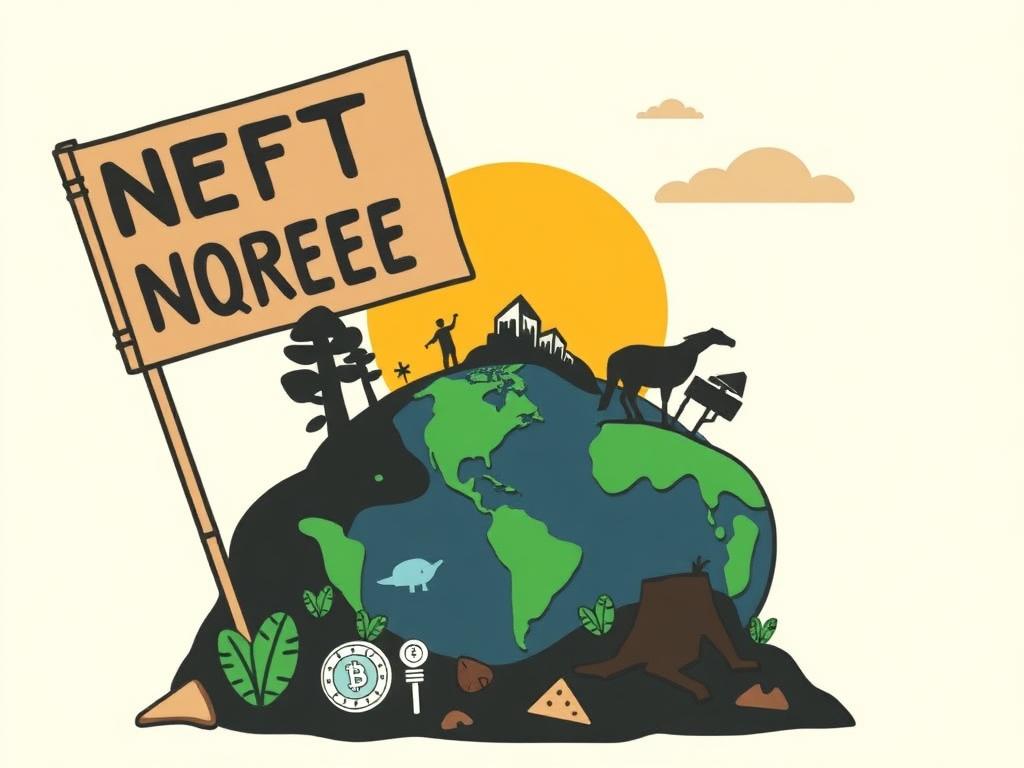
The environmental criticism of NFTs centers around their notable carbon footprint and the blockchain energy consumption required for NFT mining. Each transaction and creation process demands substantial computational power, resulting in carbon emissions that exacerbate climate change. These environmental concerns have prompted a divide within the digital art community over the sustainability of this burgeoning market.
Insights from environmental activist and industry expert Bill McKibben highlight these issues, suggesting that while NFTs offer new opportunities, they also pose significant environmental risks that need addressing. Efforts are underway to reconcile the appeal of crypto art with eco-conscious practices. The development of energy-efficient blockchains and the adoption of proof of stake systems are regarded as vital scalability solutions to reduce the ecological impact of NFTs and promote eco-friendly digital art.
Critics advocate for increased energy consumption awareness and the adoption of renewable energy to fuel blockchain innovation responsibly. They emphasize the need for responsible NFT creation aligned with conservation efforts and digital art sustainability. As the debate continues, the focus remains on balancing technological advancement with legitimate environmental concerns, ensuring a future where both innovation and ecology can coexist harmoniously.
Get free resources, tips & tricks, exclusive news, and special offers by joining the Cryptonite Newsletter.





.svg)