
NFTs are fundamentally altering the landscape of the music world, offering unprecedented opportunities for artists and fans alike. You are witnessing the music industry transformation, where digital ownership via blockchain technology enables artists to monetize music in ways never seen before. Tokenized albums and collectible music NFTs create unique, immutable pieces of digital art, empowering musicians by ensuring fair musician royalties through decentralized music sales. Blockchain music platforms are burgeoning, disrupting traditional music business models and allowing for the advent of blockchain record labels. As you explore this new era, NFT music rights, NFT concert tickets, and even NFT soundtracks are providing innovative routes for artist fan interaction and new revenue streams. This revolution is not just about commerce but about immortalizing music, making each piece timeless and digitally rare, forever changing how music is created, owned, and traded.
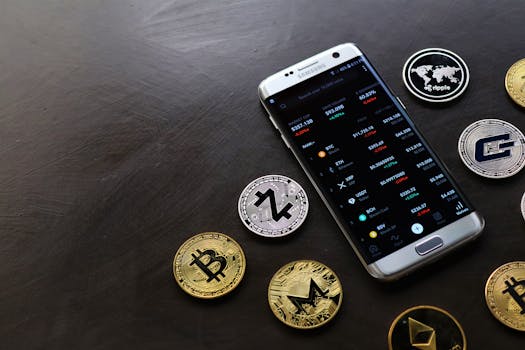
Non-Fungible Tokens (NFTs) are unique digital assets verified through blockchain technology. Unlike cryptocurrencies like Bitcoin, each NFT holds specific information that makes it distinct from any other. This attribute of digital ownership means you can now trade, sell, or collect various forms of digital art, including music, with absolute certainty of authenticity and originality.
In the music industry, this transformation is enabling artists to monetize their work more efficiently. When you buy tokenized albums or collectible music NFTs, you're not just purchasing a digital file; you're acquiring a unique piece of crypto art that can gain value over time. This shift is particularly beneficial for indie artists, as selling music as NFTs allows them to retain a larger share of their earnings and connect directly with their fans.
Blockchain music platforms are reshaping how music is sold and distributed. You can purchase NFT concert tickets, unique music tokens, and even NFT soundtracks. These platforms ensure that musician royalties are fairly distributed through decentralized music sales, thereby empowering artists in unprecedented ways.
In the next few years, NFTs in music are likely to become the industry standard, further disrupting traditional business models and introducing new forms of artist fan interaction. With blockchain record labels and NFT music auctions on the rise, the digital music marketplaces are set to become even more dynamic, making music more accessible and valued as both an art form and an investment.

Blockchain technology is revolutionizing the music industry by providing a transparent and secure infrastructure for digital ownership. When you engage with NFTs in music, you're tapping into a system that guarantees the authenticity and provenance of every digital asset. This transformation is giving artists more control over their work and enabling decentralized music sales that were previously unimaginable.
Think of blockchain technology as a vast ledger book where every transaction is recorded indelibly. Just like pages in a book, each block in the chain holds specific data that cannot be altered, ensuring trust and security. This immutable nature is why blockchain record labels and NFT music platforms are becoming incredibly popular, offering musicians the empowerment to manage their own intellectual property rights without intermediaries.
Digital music marketplaces are thriving because of blockchain advancements. With tokenized albums and unique music tokens, artists can now monetize their music directly to fans. This disrupts the traditional business models and allows innovations like NFT concert tickets and NFT music auctions to flourish, providing unique artist fan interactions and more robust revenue streams.
From selling music as NFTs to trading digitally rare music pieces, blockchain technology is reshaping every aspect of the industry. The rise of crypto art and collectible music NFTs ensures that both artists and fans participate in a more equitable and engaging digital ecosystem, enriching the experience of music in the digital age.

In the evolving world of digital music, NFTs offer groundbreaking opportunities for artist empowerment. By leveraging blockchain technology, you gain unparalleled control over your art, enabling you to navigate the digital landscape with confidence and autonomy. This shift is reshaping the music industry, offering decentralized music sales and direct artist fan interaction, bypassing traditional gatekeepers.
One unpopular opinion about NFTs in music is that their potential extends far beyond mere collectible value. While some critics argue that NFTs are just a passing trend, you’ll find that these digital assets fundamentally disrupt the traditional music business by offering unique music tokens and tokenized albums. This isn’t just about selling music as NFTs; it’s about transforming how music is created, distributed, and valued.
Digital ownership through NFTs ensures that you, as an artist, receive fair musician royalties and retain control over your intellectual property rights. Platforms facilitating NFT music trading empower you to monetize your work effectively. Artist profit NFTs and blockchain music platforms enable you to run NFT music auctions and issue NFT concert tickets, providing new revenue streams. These innovations allow you to engage your audience in unprecedented ways, fostering deeper connections and increasing loyalty.
Moreover, blockchain record labels are emerging as significant players in this space. These platforms offer artists a fairer deal compared to conventional contracts. With a focus on transparency and immutability, blockchain technology safeguards your interests, ensuring that your digital music marketplaces remain secure and equitable. This new paradigm is not just about crypto art but about immortalizing music, making it digitally rare and invaluable.
As indie artists, you particularly stand to benefit from this transformation. The ability to self-publish, monetize music directly, and engage with a global fanbase means your success is in your hands. Whether you’re releasing an NFT soundtrack or bidding in an NFT music auction, these tools offer unprecedented levels of musician empowerment, disrupting the old norms and giving you the freedom to chart your own course in the industry.
When examining the impact of NFTs in music, several case studies highlight notable successes. One prominent example is Kings of Leon, who made headlines by releasing their album "When You See Yourself" as a series of tokenized albums. This strategy not only generated significant revenue but also offered fans unique perks like front-row seats and exclusive digital ownership of rare collectibles. This example underscores how blockchain technology can foster unique artist fan interactions and provide substantial musician empowerment.
On one hand, Perspective A sees NFTs in music as a revolutionary force, dramatically shifting the dynamics of the industry. They argue that selling music as NFTs creates new revenue streams, ensuring fair musician royalties and offering decentralized music sales platforms. Perspective B, however, argues that NFTs are a speculative trend, prone to volatility associated with cryptocurrency in music, and may not offer long-term sustainability. This contrasting viewpoint showcases the varied opinions on NFT music rights and their potential to disrupt traditional music business models.
Moreover, indie artists like 3LAU have also found immense success through NFT music auctions. 3LAU’s album sales reportedly amassed over $11 million, illustrating the power of NFT music trading and the ability to directly engage fans. This case not only highlights the monetizing music aspect but also shows how unique music tokens and blockchain record labels can transform the economics for independent musicians.
These cases demonstrate that NFTs are more than just a trend; they have the potential to digitally immortalize music, making it both a collectible asset and a new form of crypto art. While the debate continues, these examples underline the substantial opportunities presented by digital music marketplaces, driving home the transformative impact of NFTs on the music industry.

Navigating the world of NFTs in music is exciting, but it comes with its challenges. One of the most frequently asked questions about NFTs in the music industry is regarding their sustainability and environmental impact. Blockchain technology, specifically the proof-of-work system used by many cryptocurrencies, consumes a substantial amount of energy. Addressing this concern is crucial for ensuring the future of digitally rare music and crypto art does not come at the expense of the environment.
Another significant challenge is the volatility associated with cryptocurrency in music. Because NFT transactions often involve cryptocurrency, the fluctuating market can impact the value of NFT music rights and collectibles. For musicians looking to monetize music through NFT music releases, this volatility can create financial unpredictability, complicating efforts to plan stable revenue streams.
Understanding the legal aspects is also essential. Digital ownership and intellectual property rights within the context of NFTs are still developing areas. NFT music trading can lead to disputes over ownership and usage rights, particularly when it involves decentralized music sales and tokenized albums. Artists need to be keenly aware of how to protect their interests, ensuring that musician royalties and other profit mechanisms are securely managed.
Lastly, there's the issue of accessibility. While NFTs and blockchain music platforms offer promising new avenues for artist fan interaction, selling music as NFTs may still be a novelty for many consumers. Familiarity and comfort with these technologies are not yet universal, potentially limiting the market for unique music tokens and NFT concert tickets. Overcoming this barrier is essential for achieving the broad musician empowerment that digital music marketplaces promise.
The advent of NFTs in the music industry holds exciting implications for you as a music fan. When you purchase NFT concert tickets or collectible music NFTs, you’re not only buying a digital file; you're also acquiring a piece of unique digital ownership. These assets, verified through blockchain technology, offer you an unparalleled level of engagement and connection with your favorite artists.
Looking at NFTs through the lens of fan empowerment, we can see that this technology fundamentally changes how you experience music. For instance, tokenized albums and unique music tokens enable you to own a part of an artist’s work in a way that is both verifiable and special. These digital music marketplaces offer you the chance to participate in NFT music auctions, allowing you to acquire digitally rare music that holds both artistic and collectible value.
Furthermore, NFTs in music facilitate unprecedented artist fan interaction. By engaging in decentralized music sales, such as purchasing crypto art directly from artists, you’re supporting them in a more equitable manner. This model disrupts the traditional music business, enhancing musician royalties and offering artists more freedom to innovate and connect with their audience.
Additionally, NFTs provide opportunities for you to engage in the music industry transformation. With the rise of blockchain record labels and blockchain music platforms, you have access to diverse and unique content that was previously unimaginable. Whether it’s participating in an NFT music release or beholding an exclusive NFT soundtrack, the digital landscape offers you a deeper, more meaningful involvement in the music world, ensuring that your contributions help immortalize music and drive forward the era of digital ownership.
Get free resources, tips & tricks, exclusive news, and special offers by joining the Cryptonite Newsletter.




.svg)