
Navigating the world of NFTs can feel like traversing uncharted territory. As digital assets on the blockchain, NFTs offer a unique ownership experience, from digital art to tokenized collectibles. The potential rewards for investors are enticing, driven by speculation, innovation, and a growing digital economy. However, you must be mindful of the financial risks. Market volatility, liquidity concerns, and regulatory issues pose significant challenges. While the technology behind NFTs promises authenticity and smart contract security, the environmental impact and long-term value remain under scrutiny. Investor interest continues to shape market trends, but diversification in your portfolio and a deep understanding of future trends are crucial for informed decisions.

To truly grasp NFTs, you need to shift your mindset from traditional ownership to embracing digital assets. NFTs, or non-fungible tokens, represent unique items on the blockchain, ranging from digital art and music to virtual real estate. This technology ensures the authenticity and security of ownership, leveraging smart contracts to manage transactions and preserve their integrity.
Diving deeper, NFTs have become a significant market trend within the cryptocurrency landscape. Unlike fungible tokens like Bitcoin, each NFT is distinct, contributing to its collectible value. The NFT market thrives on innovation and speculation, with high-profile sales reaching staggering amounts; however, market volatility and liquidity can pose financial risks for investors.
Consider the investment potential and apparent rewards, but be aware of the inherent cons. Environmental impact due to the energy-intensive nature of blockchain and tokenization processes is a growing concern. Moreover, regulatory uncertainties could affect future trends and investor interest. These factors emphasize the need for a diversified approach in managing your portfolio.
Reflecting on the broader digital economy, NFTs signal a shift towards a more decentralized and transparent marketplace. Embracing this new frontier requires understanding technological advancements, staying updated on market trends, and considering both the opportunities and potential pitfalls associated with NFT investments.

The technology behind NFTs centers on the blockchain, a decentralized ledger that records transactions across numerous computers. This technology ensures the security and authenticity of digital assets, providing a transparent way to verify ownership. Smart contracts, self-executing contracts with the terms directly written into code, play a crucial role by managing these transactions automatically and securely.
NFTs operate within the broader ecosystem of cryptocurrency, benefiting from the same technological innovations. Digital art and collectibles leverage this technology to establish unique, non-replicable items that promise long-term value. However, the speculative nature of the market can result in significant volatility and liquidity issues, which you must consider before making any investment.
In the next few years, NFTs are likely to revolutionize various industries by enhancing the way digital ownership is perceived. From tokenizing real estate to creating new forms of entertainment, the application possibilities are vast. Yet, with innovation comes regulatory concerns and potential financial risks, making it essential to stay informed about market trends and technological developments.
The environmental impact of blockchain technology is another critical aspect to understand. NFTs often rely on energy-intensive processes, raising questions about sustainability. As investor interest grows, future trends may focus on more eco-friendly solutions, ensuring that the technology behind NFTs evolves to meet these challenges without compromising security and authenticity.

One of the primary advantages of NFT investments is the unique ownership and authenticity they provide. By operating on the blockchain, NFTs ensure that each digital asset is verifiably unique, offering a level of security and trust that is difficult to replicate. This is particularly valuable for digital art, where verifying originality can be challenging. The use of smart contracts further enforces ownership rights, making transactions secure and transparent.
Another compelling benefit is the potential for significant financial rewards. Market trends indicate that NFTs can appreciate substantially in value, driven by growing investor interest and speculation. Digital collectibles and virtual real estate, for instance, have seen sharp increases in value, rewarding early investors handsomely. Insights from industry experts like Mike Winkelmann, known as Beeple, suggest that NFTs could revolutionize various sectors, offering new avenues for financial growth and technological innovation.
Furthermore, NFTs offer opportunities for diversification within your investment portfolio. Unlike traditional assets, NFTs span multiple categories, from digital art to virtual land, providing various avenues to mitigate financial risks. This diversification can be especially beneficial in a volatile market, spreading potential gains and losses across different investment types. The evolving technology and ongoing innovation within the NFT space promise long-term value, making it a noteworthy consideration for any forward-thinking investor.
Lastly, NFTs contribute to the digital economy by enabling the tokenization of almost any asset, allowing for fractional ownership and new business models. This innovative approach transforms the way we think about and interact with assets, paving the way for future trends. Despite the financial risks and regulatory concerns associated with NFTs, the potential for substantial rewards and their ability to offer unique ownership experiences make them a compelling investment choice.
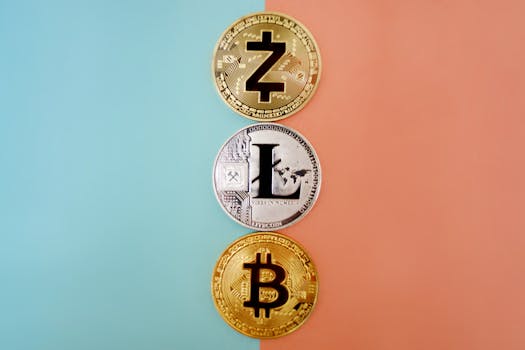
NFTs function by leveraging blockchain technology to ensure the unique ownership and transferability of digital assets. When you purchase an NFT, the blockchain records this transaction, providing a transparent and immutable ledger. Smart contracts, integral to this process, automate these transactions, ensuring that the terms of the agreement are met without requiring intermediaries. These smart contracts provide security, authenticity, and guarantee the uniqueness of each digital asset, whether it’s digital art, collectible, or virtual real estate.
Tracing its evolution from the early days of blockchain technology, NFTs have quickly developed from basic digital collectibles into multifaceted assets that span numerous industries. Initially, projects like "Colored Coins" on the Bitcoin blockchain showcased the potential for tokenized assets, but it was Ethereum's introduction of the ERC-721 standard that truly unlocked NFTs’ capabilities. This advancement allowed for the creation of non-fungible tokens that could represent unique items, paving the way for the explosion of digital art and other digital collectibles.
In addition to digital collectibles and art, NFTs have begun to revolutionize areas like virtual real estate and even ticketing for events. The tokenization of virtual assets ensures secure ownership and can significantly simplify the process of buying, selling, and trading these assets. However, you must be aware of the financial risks involved, such as market volatility and liquidity issues. As the market trends evolve, staying informed about regulatory concerns and the long-term value of NFTs is crucial.
Understanding how NFTs work also involves recognizing their impact on the digital economy and the environmental concerns tied to blockchain's energy consumption. Future trends may see the development of more sustainable blockchain technologies. The innovation within the NFT space continues to captivate investor interest, making it essential to keep up with the latest technological advancements and market shifts.

NFTs come in various forms and serve multiple purposes within the digital economy. One of the most prominent types is digital art. These NFTs leverage blockchain technology to ensure the authenticity and ownership of unique digital art pieces. The growing investor interest in digital art has driven market trends, resulting in high-profile sales and significant financial rewards. However, the market volatility poses risks, making careful investment decisions essential.
Another key category includes collectibles such as virtual trading cards and in-game assets. These NFTs offer collectible value and are often integrated into various gaming or virtual environments. The security provided by the blockchain ensures their uniqueness, which can appeal to both gamers and collectors. However, consider the potential long-term value and liquidity of these digital assets before making any significant investment.
Virtual real estate represents an emerging type of NFT, offering ownership of land or property in virtual worlds. Leveraging blockchain technology, these NFTs provide secure ownership and the potential for appreciation as virtual environments expand. This burgeoning market promises innovative opportunities, but it also carries substantial financial risks due to speculation and market volatility.
To make the most of investing in NFTs, try diversifying your portfolio across different types of digital assets. This strategy allows you to spread your risk and potentially capture gains from various market trends. Being well-informed about the specific pros and cons of each type of NFT and understanding their roles within the digital economy will guide you towards smarter and more strategic investments.

One of the key advantages of NFT investments is the unparalleled ownership and authenticity they bring to digital assets. When you own an NFT, you hold a unique token on the blockchain that proves your ownership of a one-of-a-kind digital item, whether it's digital art, a music file, or virtual real estate. This authenticity and security, enforced by smart contracts, eliminate the risks of piracy and duplication that often plague digital assets. The rewards can be substantial, particularly as market trends drive up the value of these unique items.
The potential for significant financial gains is another compelling reason to consider investing in NFTs. Market volatility in the cryptocurrency space can work to your advantage, as the value of certain NFTs can appreciate dramatically over a short period. Insights from industry experts like Mike Winkelmann, known as Beeple, suggest that NFTs are ushering in a new era of digital ownership and investment opportunities. According to Beeple, the combination of creativity and technology promises to revolutionize how we perceive and value digital assets.
Moreover, NFTs offer diversification potential for your investment portfolio. By spanning various categories such as art, collectibles, and virtual real estate, NFTs provide numerous avenues to distribute your investments, thereby reducing risk. The ongoing innovation within the NFT space means that you have the chance to be part of cutting-edge trends that could reshape the digital economy. Understanding the long-term value of NFTs and staying informed about regulatory concerns will help you navigate this evolving landscape effectively.
By providing a secure and verifiable way to own digital assets, NFTs are changing the dynamics of traditional investing. The growing investor interest and ongoing technological advancements make NFTs an attractive option for anyone looking to diversify their portfolio and capitalize on new market opportunities.
Get free resources, tips & tricks, exclusive news, and special offers by joining the Cryptonite Newsletter.





.svg)