
Master the art of creating and selling NFTs today by diving into the dynamic world of non-fungible tokens. You'll explore the intricate process of how to create NFTs, from minting them on the blockchain to understanding the NFT smart contracts that make them unique. Discover platforms like OpenSea and Rarible, where you can showcase your digital art NFTs, and gain insights into effective NFT sales strategies. With this guide, learn the essentials of NFT creation tips, from selecting the right NFT marketplace to mastering the NFT minting process on Ethereum NFTs. Embark on your journey to becoming a skilled NFT artist and capitalize on NFT investment opportunities. Immerse yourself in the vibrant NFT trading community and maximize your NFT revenue through understanding NFT royalties and NFT apps.
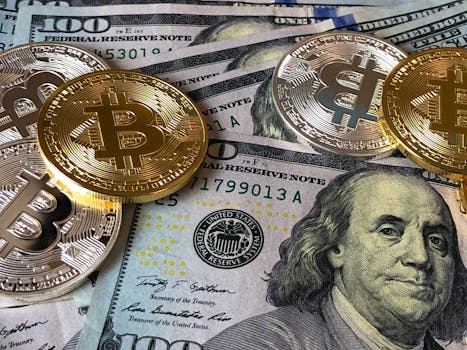
begins with recognizing that these digital assets are unique, verifiable tokens stored on a blockchain. Unlike cryptocurrencies like Bitcoin, non-fungible tokens (NFTs) are indivisible and each token has distinct attributes and value. They often represent digital art, collectibles, virtual real estate, and more.
While many believe that NFTs are merely a trend in the digital art world, there’s a strong case for their lasting impact on ownership and revenue streams. NFT smart contracts ensure that creators receive NFT royalties from secondary sales, making them an appealing option for artists looking to secure ongoing income.
As you delve deeper into how to create NFTs, you’ll discover the importance of the NFT minting process. This involves converting digital assets into NFTs, typically using blockchain networks like Ethereum. Platforms such as OpenSea and Rarible provide user-friendly interfaces to help you list and sell NFTs, making the marketplace accessible even if you're new to crypto art.
The NFT marketplace is diverse, with numerous NFT platforms catering to different needs and interests. From gaming and music to real estate and digital collectibles, NFTs provide a way to mint unique digital assets and engage in NFT trading. By understanding these fundamentals, you can better navigate the NFT ecosystem and make informed NFT investment decisions.
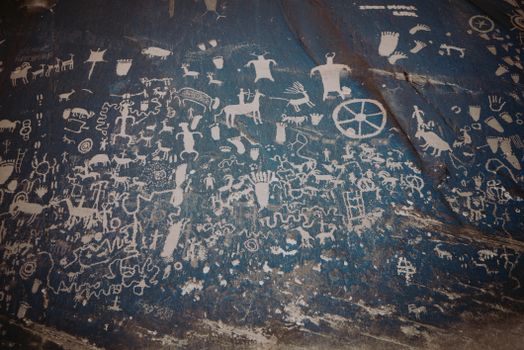
The history of NFTs is a captivating journey that begins in 2012 with the introduction of Colored Coins on the Bitcoin blockchain. Although initially created to represent real-world assets, Colored Coins laid the groundwork for the development of non-fungible tokens. The concept gained momentum in 2017 with the launch of CryptoKitties, a blockchain-based game on Ethereum where users could breed and trade unique digital cats.
As NFTs evolved, platforms like OpenSea and Rarible emerged, allowing artists to mint and sell NFTs more easily. These NFT platforms provided tools to create NFTs, set up NFT smart contracts, and engage in NFT trading. Ethereum's blockchain became a preferred choice due to its robust support for these functionalities, enabling seamless minting NFTs processes and fostering a thriving NFT marketplace.
To make the most of the history and the technological advancements in NFTs, try staying updated with current trends and platforms. Participating in NFT apps and following NFT artists can provide insights into new developments in digital art NFTs, crypto art, and other digital collectibles. By understanding the past, you can better navigate the future of creating unique NFTs and leveraging NFT investment opportunities.

NFTs offer tremendous benefits for artists, providing a new avenue to monetize their digital art in ways previously unimaginable. By leveraging NFT platforms like OpenSea and Rarible, artists can create and sell NFTs easily, reaching a global audience without needing intermediaries. The transparency of blockchain technology ensures that every transaction is verifiable, building trust with collectors and fans.
In the next few years, NFTs are likely to revolutionize how artists collect revenue through NFT royalties. Thanks to smart contracts, artists can earn a percentage of secondary sales indefinitely, ensuring a continuous income stream. This feature enhances the traditional art market by rewarding creators for the enduring popularity of their work.
Another significant benefit of NFTs for artists is the ability to create unique digital collections that can appreciate in value. Through the minting process, artists can tokenize their work and add it to their NFT collections, creating digital assets that can be traded or sold on various NFT marketplaces. As you explore how to create NFTs, you'll find that each piece of digital art can become a valuable, tradable asset.
Creating digital art NFTs also allows artists to engage with their audience in novel ways. Using NFT apps and being part of NFT trading communities, artists can gather feedback, build a following, and even collaborate with other NFT artists. This interaction not only fosters creativity but also enhances the artist's visibility and potential for NFT investment opportunities.

Choosing your digital art style is a pivotal step in your journey to creating and selling NFTs. This process involves identifying a unique aesthetic that sets your work apart in the competitive NFT marketplace. Whether you gravitate toward surrealism, abstract art, or pixel art, your chosen style will play a crucial role in attracting collectors and building your brand as an NFT artist.
To truly understand the importance of digital art styles, you need to shift your mindset from merely duplicating existing trends to cultivating a new perspective that reflects your individuality. Embrace the creative freedom that NFTs offer. Unlike traditional art, digital art NFTs allow you to experiment with various mediums and techniques without the constraints of physical materials.
Exploring different NFT platforms like OpenSea and Rarible can provide inspiration and insight into popular styles and emerging trends. By participating in NFT trading communities and following other NFT artists, you can gather valuable feedback and refine your own style. This approach will not only enhance your portfolio but also prepare you for the NFT minting process, making it easier to create NFTs that resonate with buyers.
As you finalize your digital art style, consider how it aligns with your overall NFT sales strategies. Creating cohesive NFT collections that embody your unique aesthetic can boost your visibility and NFT revenue. Use NFT apps to manage your creations and understand the market dynamics, ensuring that your style evolves with the demands of the NFT investment landscape.

When it comes to creating NFTs, the right tools can make all the difference in ensuring the quality and success of your digital assets. Graphic design software like Adobe Photoshop and Illustrator are essential for crafting the intricate details of your digital art NFTs. You can also explore tools specifically designed for NFT creation, such as Procreate for iPads or Blender for 3D art, to add depth and uniqueness to your NFTs.
Comparing traditional graphic design software vs specialized NFT creation tools highlights distinct advantages. While traditional software offers a wide range of features, specialized tools can provide functionalities tailored for non-fungible tokens, making it easier to integrate with blockchain technology. For instance, platforms like OpenSea and Rarible simplify the NFT minting process and offer seamless ways to list and sell NFTs directly from the app.
In addition to design software, you'll need a digital wallet to store and manage your digital assets. MetaMask, for example, is popular for its compatibility with Ethereum NFTs and its user-friendly interface. Having a reliable wallet is crucial as it connects you to various NFT platforms where you can mint and sell digital collectibles. This comprehensive toolkit not only facilitates creating unique NFTs but also supports your NFT sales strategies and investment efforts.

Creating your first NFT can be an exhilarating experience, and it all starts with choosing a unique piece of digital art or a collectible. Using design tools like Adobe Photoshop, Illustrator, or Procreate, you can fine-tune your work before moving to the next crucial step: minting your NFT on a blockchain. Platforms like OpenSea and Rarible offer user-friendly interfaces to guide you through the NFT minting process, making it accessible even if you're new to NFTs. During this process, you’ll create NFT smart contracts that define the ownership and royalties associated with your digital asset.
Insights from industry expert Beeple, whose digital collage "Everydays: The First 5000 Days" sold for $69 million, suggest that the key to successful NFTs lies in creativity and community engagement. According to Beeple, consistently producing unique digital assets and interacting with your audience on NFT apps and social media platforms can significantly boost your visibility and sales potential. By listing your NFTs on popular marketplaces and leveraging the power of social media, you can effectively promote and sell NFTs, turning your digital creations into lucrative investments. This approach, combined with understanding NFT sales strategies, will help you maximize NFT revenues and build a sustainable NFT collection.
Get free resources, tips & tricks, exclusive news, and special offers by joining the Cryptonite Newsletter.




.svg)