
Mastering day trading requires a comprehensive understanding of the financial markets, strategic planning, and emotional discipline. This in-depth guide aims to equip you with the essential knowledge and tools to navigate the complex world of stocks and trading platforms, enhancing your trading performance and profitability. You'll explore various trading strategies such as scalping, swing trading, and momentum trading, while delving into technical analysis and market analysis to understand chart patterns and market trends. Emphasis will also be placed on risk management, trading psychology, and the practical aspects of setting up trades, including execution and the use of stop-loss orders. From interpreting stock charts to understanding trading signals, we'll cover every facet of intraday trading, ensuring a well-rounded trading education to achieve trade consistency.

One of the most frequently asked questions about day trading is how it differs from other forms of trading. Day trading involves executing multiple trades within a single trading day, with the goal of capitalizing on small price movements in stocks or other financial instruments. Unlike long-term investing, where you hold positions for months or years, day trading requires a quick-paced analysis of stock charts and trading platforms to make rapid decisions.
While engaging in day trading, you rely heavily on technical analysis and market analysis to identify profitable trading opportunities. This includes using trading tools to spot chart patterns that may indicate future price movements. Additionally, understanding trading psychology is crucial, as maintaining emotional discipline can significantly impact your trading performance and trade consistency.
To be successful in day trading, you need to implement effective risk management strategies. This involves setting up stop-loss orders to limit potential losses and enhancing your trading setup to ensure timely execution of trades. Moreover, diversifying your approach by exploring various trading strategies such as scalping, swing trading, and momentum trading can help in navigating the complexities of the stock market with greater confidence.
An in-depth guide on day trading will also cover the importance of continuous trading education. Staying informed about market trends, trading signals, and financial analysis will empower you to refine your trading strategies continuously. This commitment to learning ensures that you remain adept at responding to the ever-evolving dynamics of financial markets, thus bolstering your overall profitability.
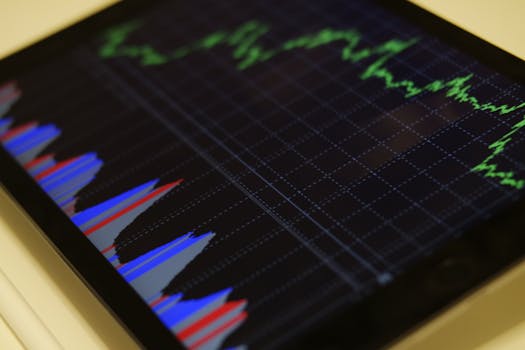
To excel in day trading, you must grasp several key concepts that form the foundation of this practice. A thorough understanding of technical analysis is critical. You'll need to read stock charts effectively to identify chart patterns that signal potential market trends. Additionally, mastering trading setups and the execution of trades is essential for capturing profit opportunities quickly.
An integral aspect of day trading is risk management. Using tools like stop-loss orders can help you mitigate potential losses and protect your capital. This risk management approach allows you to focus on maintaining a consistent trading performance, which is crucial for long-term success and profitability in the stock market.
Consider the story of Paul Rotter, who earned a reputation as one of the most successful day traders by employing scalping strategies. Through meticulous market analysis and the use of advanced trading tools, Rotter executed rapid trades that leveraged small price fluctuations in financial markets. His ability to maintain trading discipline and adapt to market changes epitomizes the effectiveness of solid trading psychology and technical analysis.
Your journey into day trading should also include continuous trading education. Staying updated with trading signals and market trends can greatly enhance your trading strategies over time. By remaining adaptable and informed, you can sharpen your skills and achieve trade consistency, navigating the financial markets with greater confidence and effectiveness.

Setting up your trading station is a critical step towards achieving success in day trading. You need a powerful computer with high processing speed and a reliable internet connection to ensure that your trades are executed swiftly and effectively. Multiple monitors can be beneficial for tracking various stock charts and trading platforms simultaneously, allowing you to perform technical analysis and monitor market trends in real-time.
An in-depth guide on day trading also emphasizes the importance of having the right trading tools. Advanced charting software, trading platforms with customizable interfaces, and access to real-time financial markets data are essential. Insights from trading expert Dr. Alexander Elder suggest that integrating a quiet, distraction-free environment into your setup can significantly improve trading performance by enhancing focus and decision-making capabilities.
Your trading station should also include ergonomic furniture to ensure long hours of trading do not lead to discomfort or health issues. Additionally, having backup systems in place, such as an alternative internet provider and a second device, can safeguard against unexpected technical failures. By creating an optimal and efficient trading environment, you pave the way for improved trading psychology, effective risk management, and consistent trade execution, all of which are vital for profitability in day trading.

How does creating a trading plan impact your day trading success? A well-structured trading plan serves as a roadmap for your trading activities, guiding your decisions and actions in the financial markets. It helps you define your trading goals, specify your risk tolerance, and select the appropriate trading strategies, whether it's momentum trading, scalping, or swing trading.
Your trading plan should include a detailed market analysis component. By incorporating technical analysis and understanding chart patterns, you can identify potential trading opportunities and market trends. This thorough preparation enables you to make informed decisions, increasing your chances of success in the stock market.
Risk management is another crucial element of your trading plan. Establish clear rules for stop-loss orders and position sizes to protect your capital and minimize losses. Having predefined risk parameters helps maintain your trading performance and ensures trade consistency over time, particularly during periods of volatility in financial markets.
The execution of trades is also a critical aspect of your plan. Outline the criteria for entering and exiting positions, including the use of trading signals and real-time data from trading platforms. This structured approach ensures that each trade aligns with your overall strategy and objectives, reducing the likelihood of impulsive decisions driven by trading psychology.
Continuous review and refinement of your trading plan are essential. Keep track of your trades, evaluate your trading performance, and make necessary adjustments to your strategies based on financial analysis. This iterative process helps you stay adaptable and improves your overall effectiveness in day trading, ultimately leading to greater profitability and trading success.

Understanding stock market fundamentals is essential for anyone looking to excel in day trading. The stock market operates as a platform where stocks, or shares of ownership in companies, are bought and sold. To navigate this environment effectively, you need to grasp how financial markets function and the factors that influence stock prices, including market trends and economic indicators.
A closer look at Warren Buffett's experience with investing reveals the importance of understanding a company's intrinsic value. Buffett's approach involves extensive financial analysis to identify undervalued stocks, a principle that can also be applied to day trading. This case study emphasizes the significance of thorough research and informed decision-making in achieving long-term profitability.
Incorporating technical analysis into your trading strategies allows you to interpret stock charts and identify patterns that can predict future price movements. This involves using trading tools to analyze historical data and market signals, which can guide your buy and sell decisions. Understanding these fundamentals is crucial for developing a robust trading setup and executing trades effectively.
A solid grasp of trading psychology is also vital. Emotional discipline helps you stick to your trading plan, even in the face of market volatility. By maintaining a balanced mindset, you can improve your trading performance and achieve trade consistency. Engaging with continuous trading education ensures you stay updated with the latest trends and strategies, further enhancing your expertise in the stock market.
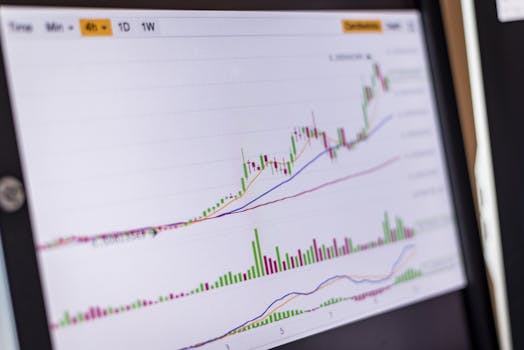
Technical analysis basics are crucial for making informed trading decisions. This method involves studying historical price data and stock charts to forecast future price movements. By analyzing trading signals and market trends, you can identify optimal entry and exit points for your trades, enhancing your overall profitability. Utilizing trading platforms and tools helps you perform this analysis with greater accuracy and efficiency.
Comparing technical analysis vs fundamental analysis reveals distinct approaches to evaluating stocks. While technical analysis focuses on chart patterns and market signals, fundamental analysis delves into a company's financial health and market position. Both methods offer valuable insights, but for day trading, technical analysis is often more pertinent due to its emphasis on short-term price movements and trading performance.
Incorporating technical analysis into your trading strategies requires understanding various chart patterns and indicators like moving averages and RSI (Relative Strength Index). These tools help you decipher market trends and predict potential price reversals. Effective use of technical analysis can improve your trading setup and execution, contributing to consistent trade performance and better risk management. Continuous trading education will keep you updated on new methodologies, ensuring your strategies evolve with the ever-changing financial markets.
Get free resources, tips & tricks, exclusive news, and special offers by joining the Cryptonite Newsletter.





.svg)