As you embark on your journey into Web3, you'll uncover a realm that's transforming the internet as you know it. This decentralized world is powered by blockchain technology, offering a more secure, transparent, and user-centric digital experience. Imagine a space where cryptocurrencies like Ethereum form the backbone of transactions, and smart contracts automate interactions without intermediaries. Here, decentralized applications, or dApps, thrive, providing services across finance, art, and entertainment. In this ecosystem, tokens and NFTs introduce new possibilities for ownership and exchange, while the Metaverse opens doors to immersive virtual landscapes. As you explore, the emphasis is on user empowerment, with digital identity managed securely and efficiently through cryptographic measures.
The Web3 infrastructure supports a vibrant decentralized economy, connecting participants through protocols that ensure interoperability and efficient consensus mechanisms. Decentralized finance (DeFi) emerges as a formidable force, allowing for peer-to-peer financial activities without traditional banking constraints. DAOs, or decentralized autonomous organizations, exemplify collective decision-making without central control. With a crypto wallet in hand, you possess the tool to navigate this evolving landscape, safeguarding your digital assets and enabling participation in the open-source Web3 ecosystem. As you delve deeper, concepts like blockchain scalability and cross-chain compatibility illustrate ongoing innovations designed to enhance the efficiency and reach of this revolutionary technology.
Web3 represents a paradigm shift from the centralized web to a decentralized, user-driven ecosystem. It leverages blockchain technology to create a distributed ledger system, enhancing transparency and security. According to recent studies, cryptographic protocols within blockchains have shown to significantly improve data integrity, which forms the backbone of Web3's trustworthiness. This shift empowers you with control over your digital identity, ensuring data privacy and autonomy.
Decentralized applications, or dApps, flourish in the Web3 ecosystem, providing innovative solutions across various sectors. Leveraging Ethereum’s blockchain, these apps utilize smart contracts to execute transactions automatically when certain conditions are met. This not only reduces the need for intermediaries but also fosters a peer-to-peer interaction model that aligns with the principles of decentralization. In this ecosystem, tokens and NFTs revolutionize ownership concepts, offering new ways to store and trade digital assets.
Decentralized finance (DeFi) highlights Web3's potential by reshaping financial services without traditional banking infrastructures. Through DeFi, you can engage in borrowing, lending, and trading directly with other participants, managed by protocols ensuring cross-chain compatibility and blockchain governance. This sector's growth underscores the importance of exploring how tokenomics influences adoption, as well as how ecosystem vitality hinges on robust Web3 infrastructure and blockchain scalability solutions.
With a crypto wallet, you hold the key to interacting with digital assets seamlessly within Web3. It aligns with the open-source nature of the ecosystem, allowing you to manage and transact with cryptographic security. These wallets exemplify the decentralized approach, connecting you to a wider network while facilitating interoperability across various platforms, ensuring your active participation in the burgeoning Metaverse and digital landscapes.
Web3 technology introduces significant advantages that enhance both security and accessibility in digital spaces. It transforms our interaction with the internet through decentralized features and cryptographic security, increasing data protection and user privacy. The distributed ledger of blockchain technology provides transparency that was previously unimaginable, reducing fraud and boosting trust. With your digital identity under your control, you can navigate the digital realm securely and autonomously.
One frequently posed question about Web3 is how it improves financial systems. Through decentralized finance (DeFi), Web3 reduces reliance on traditional financial institutions, offering peer-to-peer interactions. This empowers you to lend, borrow, and earn interest on your assets seamlessly, utilizing smart contracts to automate processes on platforms like Ethereum. DeFi broadens financial inclusion, making financial services more accessible to a global audience without hefty fees or complex barriers.
Web3 technology also supports a dynamic ecosystem for innovation and creativity. Decentralized applications (dApps) and non-fungible tokens (NFTs) offer new ways for creators to monetize and exchange their work, unbound by intermediaries. This fosters a community that supports open-source development and cross-chain compatibility, contributing to blockchain scalability. As you explore the Metaverse and other digital spaces, these advancements ensure that creativity and innovation thrive in a decentralized environment.
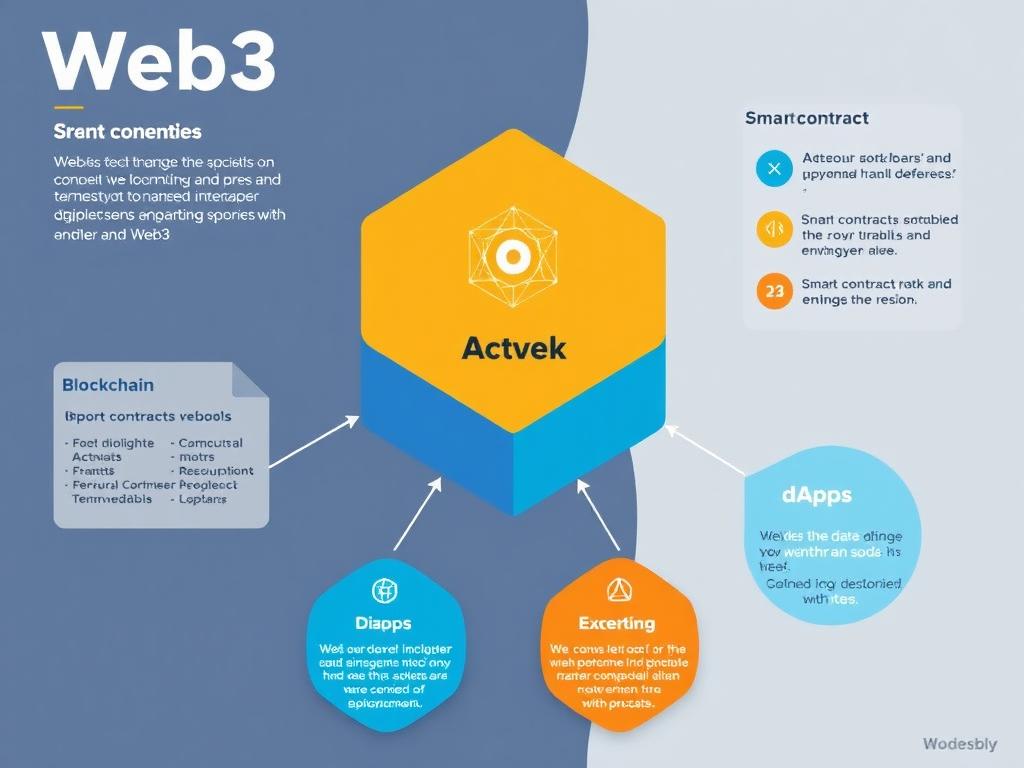
Web3 comprises several essential components reshaping how you interact with digital technology. At the core is blockchain, a decentralized, distributed ledger that ensures data integrity and transparency. This secure infrastructure serves as the backbone for various protocols and platforms, offering improved cryptographic security and enabling innovations such as cryptocurrencies and smart contracts. By reducing dependency on centralized intermediaries, blockchain empowers you to have greater control over your data and transactions.
Decentralized applications, commonly referred to as dApps, form another critical component of Web3. Built on platforms like Ethereum, these applications utilize smart contracts to automate processes and facilitate peer-to-peer interactions. This approach not only enhances efficiency but also nurtures a self-sustaining ecosystem where transactions occur without middlemen. As you explore dApps, you engage in a decentralized environment that honors privacy and fosters innovation across various industries.
Web3 infrastructure also emphasizes digital identity, allowing you to manage your online presence securely and directly. Through cryptographic measures, your digital identity is safeguarded, assisting you in navigating the digital realm with autonomy and confidence. This emphasis on individual control is a cornerstone of Web3, ensuring that your personal data and interactions remain private and under your dominion, unlike the traditional centralized web.
One less conventional perspective surrounding Web3 is its purported challenge with blockchain scalability. Critics argue that scalability issues might hinder widespread adoption, despite technological advancements like cross-chain compatibility and consensus mechanism improvements. However, proponents believe that ongoing innovation in protocols and Web3 infrastructure can address these concerns effectively. This ongoing dialogue reflects the dynamic nature of the Web3 ecosystem, where solutions are continuously evolving.
Decentralized finance (DeFi) and decentralized autonomous organizations (DAOs) further illustrate the potential of Web3 technology. DeFi provides an open-source financial landscape where peer-to-peer transactions flourish, while DAOs exemplify community-driven governance models. Engaging with these components allows you to participate in an ecosystem that thrives on decentralization and open collaboration, underlining the transformative promise that Web3 holds for the future of technology and society.

Blockchain technology serves as the foundation of the Web3 ecosystem, transforming data management and digital transactions. Utilizing a distributed ledger system, blockchain ensures transparency and immutability, thereby cultivating trust among users. With its peer-to-peer network structure, blockchain eliminates the need for central authorities, promoting decentralization and enhancing cryptographic security. This innovative approach allows you to have direct control over your digital assets.
Smart contracts are pivotal within blockchain technology, streamlining operations by executing transactions automatically when certain conditions are met. Functions like those provided by the Ethereum network enable the development of decentralized applications (dApps) and the seamless integration of tokens and NFTs. These components play a vital role in paving the way for new business models and creating opportunities across diverse sectors, from finance to the Metaverse.
The current trajectory of blockchain technology highlights an ongoing emphasis on scalability and interoperability. As adoption increases, efforts to improve blockchain scalability and cross-chain compatibility show promising potential to address performance bottlenecks. These trends suggest a continuous evolution, ensuring the infrastructure can accommodate the growing demands of a dynamic digital landscape. Through a robust blockchain governance framework, you are positioned to benefit from an open-source, decentralized technology that underpins the future of digital interactions.
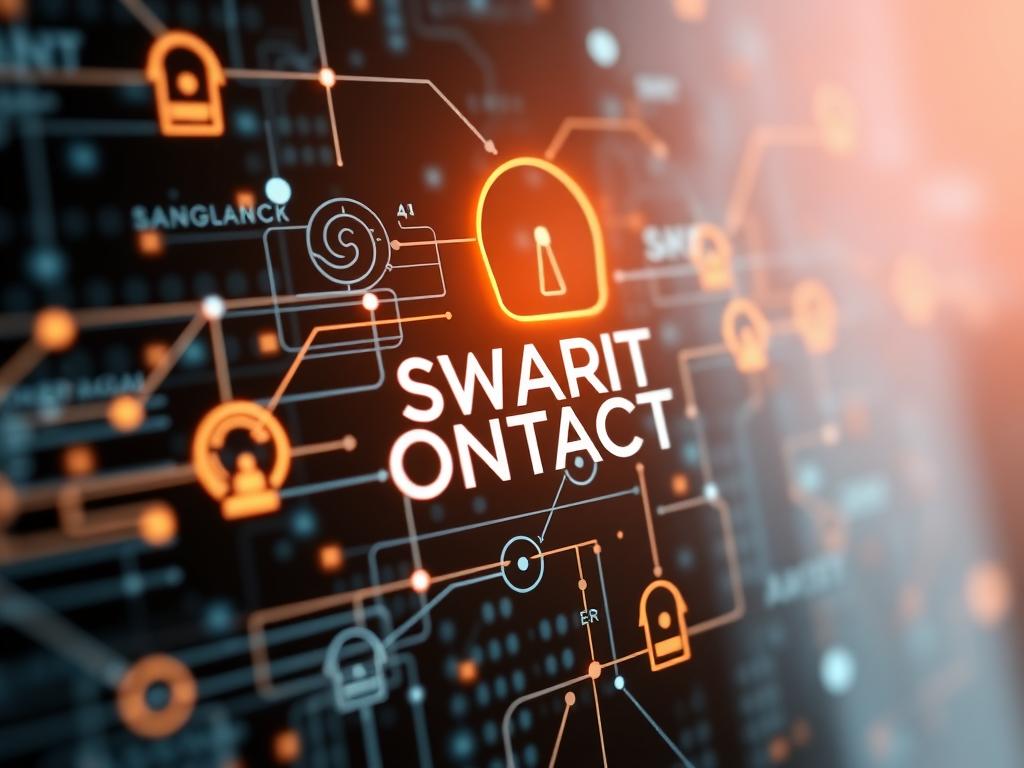
Smart contracts represent a cornerstone of blockchain technology, automating transactions and processes with precision and reliability. These self-executing contracts operate based on predefined conditions written directly into the code. By removing the need for intermediaries, smart contracts enable you to engage in seamless, peer-to-peer interactions. This streamlined approach underpins many decentralized applications (dApps) within the Ethereum network.
In the realm of decentralized finance (DeFi), smart contracts play an essential role. They facilitate complex financial operations such as lending, borrowing, and asset trading by enforcing terms automatically. This automation ensures transparency and reduces the potential for human error, creating a robust alternative to traditional finance. Their application extends to decentralized autonomous organizations (DAOs), where they assist in decision-making processes without centralized control.
Did you know? Approximately 60% of all dApps utilize smart contracts, demonstrating their crucial role in the decentralized ecosystem. This significant adoption underscores their reliability and versatility in managing digital interactions. As these contracts continue to evolve, they are instrumental in advancing blockchain scalability and interoperability, ensuring smooth integration across diverse platforms.
By utilizing smart contracts, you benefit from enhanced cryptographic security and efficiency. In conjunction with a crypto wallet, they empower you to manage digital assets effectively and securely. This foundational element of Web3 infrastructure supports a transparent, decentralized ecosystem, where your digital identity and activities are under your control, further advancing the open-source nature of the blockchain landscape.
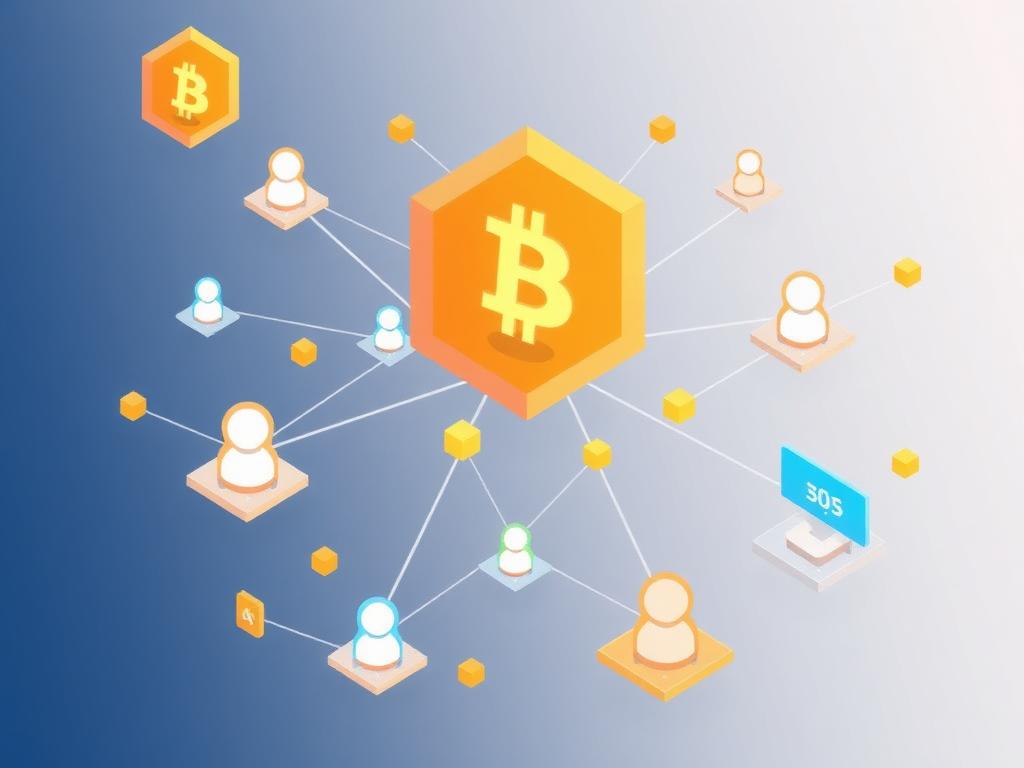
Decentralized applications, known as dApps, are reshaping your interaction with digital technology by leveraging the power of blockchain. These applications run on decentralized networks like Ethereum, enabling secure, peer-to-peer transactions without intermediaries. This not only enhances transparency but also empowers you with complete control over your data and digital assets. As core components of the Web3 ecosystem, dApps provide functionality across a wide range of sectors.
In the financial realm, dApps are instrumental in the rise of decentralized finance (DeFi), offering services such as lending, trading, and yield farming. Within this framework, smart contracts automate complex transactions, ensuring efficiency and cryptographic security. Additionally, dApps support the creation and management of non-fungible tokens (NFTs), facilitating innovative platforms for collectible digital assets, artistic works, and gaming elements within the Metaverse.
Looking ahead, dApps are expected to evolve by enhancing blockchain scalability and interoperability, enabling smoother integration across multiple platforms. As developers address challenges related to cross-chain compatibility and consensus mechanisms, the adoption of dApps is likely to increase. This progress will contribute to a more robust and seamless Web3 infrastructure, further promoting open-source development and expanding the possibilities for new applications and use cases.
As you engage with dApps, you access an array of services that prioritize decentralization and user autonomy. By holding a crypto wallet, you can easily interact with these applications, secure your digital identity, and manage your assets. This new paradigm supports a decentralized, user-centric web environment, driven by blockchain technology's potential to revolutionize how digital interactions occur.
Get free resources, tips & tricks, exclusive news, and special offers by joining the Cryptonite Newsletter.





.svg)