The integration of wallets within the Web3 landscape is groundbreaking, transforming how you interact with digital assets. With Web3 wallets at the heart of this revolution, you're poised to engage seamlessly with decentralized finance platforms, manage cryptocurrency and NFTs, and execute smart contracts with ease. These wallets are not just about storage; they represent an evolution in blockchain technology, offering features like wallet interoperability and multi-chain support for diverse token management. Your experience with crypto transactions is becoming more streamlined and secure, with private keys and wallet security innovations ensuring your digital assets are safe. From peer-to-peer transactions to secure authentication methods like hardware wallets, the potential is boundless. Advanced user privacy measures and open-source wallets available as mobile apps or browser extensions enhance your engagement further. As you navigate through the Web3 ecosystem, understanding wallet development, backup, and recovery processes, as well as essential elements like cold storage options and seed phrases, empowers your crypto investment journey. The prospect of wallet interoperability and reduction of gas fees in these frameworks is advancing daily, offering you a secure and comprehensive approach to managing your digital life in the ever-expanding world of Web3.
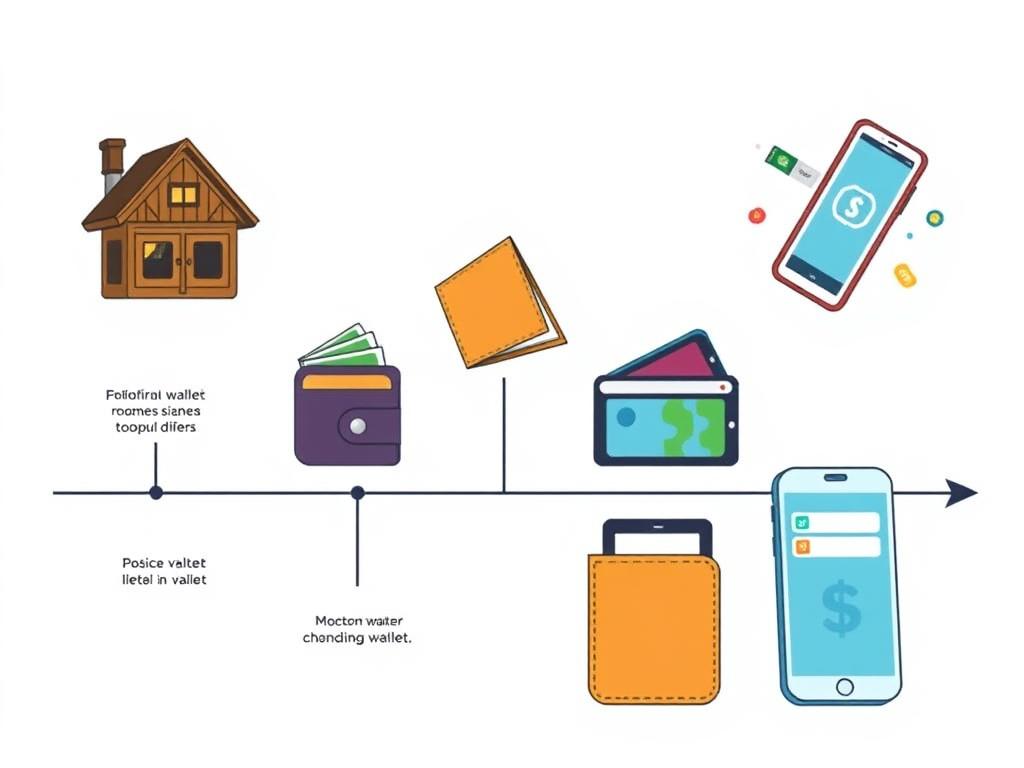
Digital wallets have significantly evolved from simple money storage solutions to full-fledged platforms for engaging with the Web3 environment. As you dive into this transformation, you'll find that cryptocurrency wallets are not merely receptacles for digital assets but key players in the wide landscape of decentralized finance. These innovative tools incorporate blockchain technology to offer secure, efficient crypto transactions and robust smart contract operations, enhancing both the security and functionality of your transactions.
Consider the story of MetaMask, which has revolutionized how you can interact with decentralized applications. Through its browser extension, MetaMask allows seamless DeFi integration and access to NFTs, exemplifying wallet interoperability across multi-chain networks. This success story demonstrates the power of digital wallets in expanding your opportunities in the cryptocurrency world, addressing user privacy, and simplifying token management.
Wallet development now focuses on enhancing user experience, with contemporary features like mobile wallets ensuring accessibility and convenience. Secure wallets like hardware wallets provide advanced wallet security, safeguarding your private keys through cold storage solutions. Moreover, emerging concepts such as wallet backup and recovery cater to security needs, offering you peace of mind while navigating the digital realm.
Advancements also include open-source wallets promising transparency and continuous improvements. As complexity embraces ease, secure authentication methods advance, minimizing gas fees and enhancing crypto investments. The evolution of digital wallets signifies a dynamic shift empowering you with the tools needed to manage your digital portfolio effectively and securely.
Web3 represents the next evolution of the internet, emphasizing decentralization and enhanced control for you, the user. Unlike its predecessors, Web3 integrates blockchain technology at its core, allowing you to engage directly with digital assets and decentralized finance systems. This new frontier transforms how you interact online, focusing on reducing the intermediary power and increasing your autonomy through features like cryptocurrency wallets and DeFi integration.
The significance of Web3 lies in its ability to enhance digital interactions through smart contracts, enabling automated and trustless transactions. With Web3 wallets, you manage your assets more securely, benefitting from wallet interoperability and multi-chain support. This evolution ensures that your online endeavors are more efficient and transparent, with wallet security advancements protecting your private keys, whether you're using hot wallets or hardware wallets.
What most people don’t see about Web3 is the vast infrastructure working behind the scenes to uphold this decentralized ecosystem. Developers focus on wallet development and secure authentication methods, ensuring seamless token management and safe crypto transactions. Innovations like wallet backup and recovery options stand as a testament to the commitment to user privacy and security, making Web3 a powerful tool for transforming the digital experience.
The impact of this technology extends beyond individual transactions. It enables peer-to-peer interactions, reducing reliance on traditional platforms and lowering gas fees. Whether you're exploring open-source wallets or understanding the role of seed phrases in protecting your investments, Web3 is reshaping how you handle your crypto investment comprehensively and confidently.

Blockchain technology serves as the backbone of Web3 wallets, fundamentally altering how you store and transact digital assets. Its decentralized architecture ensures that Web3 wallets enable secure, transparent, and immutable transactions. This groundbreaking technology supports smart contracts and peer-to-peer transactions, allowing you to engage in decentralized finance with confidence, knowing that each transaction is recorded on a tamper-proof ledger.
The versatility of blockchain extends to wallet security, providing the infrastructure necessary to protect your cryptocurrency assets. With features like private keys and wallet backup solutions, blockchain technology ensures that your assets remain secure, whether stored in hot wallets or cold storage. Wallet recovery and seed phrase utilization further enhance user security, allowing you greater control over your digital holdings.
Did you know? Approximately 58% of businesses that use blockchain report enhanced security in transactions, illustrating its vital role in protecting digital assets. This statistic underscores the importance of blockchain in ensuring safe token management and avoiding unauthorized access to your cryptocurrency wallet. The integration of multi-chain support also showcases blockchain's adaptability in managing various digital assets across different networks.
Beyond security, blockchain technology enhances wallet interoperability and DeFi integration, making comprehensive token management possible. Open-source wallets and mobile wallets capitalize on blockchain's capabilities to offer streamlined solutions, enabling you to perform crypto transactions effortlessly from anywhere. With lower gas fees and secure authentication, blockchain ensures that your experience with Web3 wallets is efficient and optimized for today’s digital landscape.
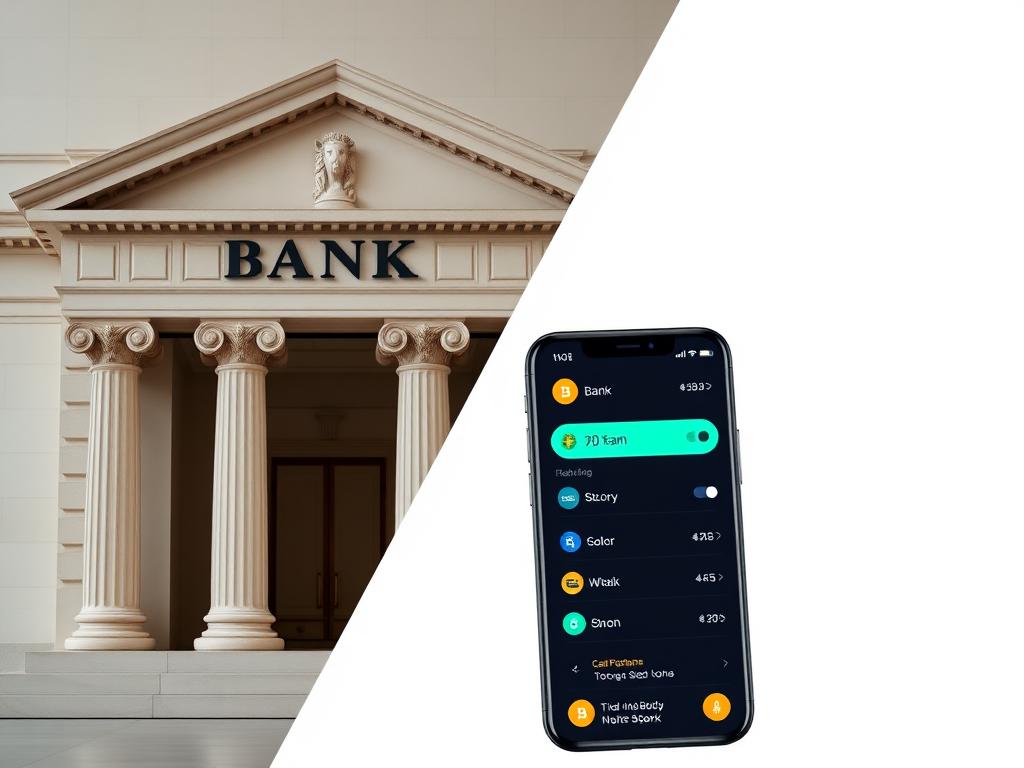
The emergence of crypto wallets presents a notable shift from traditional bank accounts, especially in how you manage your financial activities. With Web3 wallets, you have direct control over your digital assets such as cryptocurrencies and NFTs, as opposed to relying on banking institutions. This independence, facilitated by private keys and blockchain technology, allows you to retain full custodianship and engage directly with decentralized finance systems.
Crypto wallets offer enhanced privacy and security features. Your transactions are safeguarded by robust wallet security measures without the need for intermediaries. Hardware and hot wallets provide options for securing your assets, supported by cold storage for enhanced protection. In contrast, traditional bank accounts often involve multiple parties handling your information, which can expose you to certain risks.
In the next few years, crypto wallets are likely to redefine personal finance by offering increased wallet interoperability and DeFi integration. This means you will experience seamless multi-chain support and reduced gas fees, as crypto transactions become more efficient and user-centric. The evolution of mobile wallets and open-source wallets is set to challenge conventional banking, focusing on delivering more accessible financial solutions.
Crypto wallets also enable unique possibilities such as executing smart contracts and managing peer-to-peer transactions. Banking simplicity comes from apps and secure authentication methods, yet they lack the innovative edge of blockchain-enabled wallets. As wallet development progresses, you may find these digital repositories a more versatile platform for your future crypto investment endeavors.
The future of Web3 wallets is being shaped by groundbreaking innovations that redefine how you interact with digital assets. With the advent of browser extensions and mobile wallets, accessibility has dramatically increased, allowing you to manage crypto transactions from virtually anywhere. Tracing its evolution from the early days of cryptocurrency, when security was a primary concern, today's innovations emphasize secure authentication and full wallet interoperability across multi-chain platforms without sacrificing user convenience.
Key innovations are driving the development of features like enhanced wallet backup and recovery options, crucial for protecting your digital investments. Open-source wallets offer transparency in wallet development, encouraging community-driven enhancements and reinforcing user privacy. The ability to seamlessly execute and manage smart contracts within Web3 wallets highlights ongoing efforts to integrate decentralized finance into everyday usage. Coupled with advanced token management capabilities and reduced gas fees, these features set the stage for a more efficient digital economy.
Cold storage solutions, alongside hardware wallets, ensure unparalleled security as you protect your private keys against potential threats. This focus on wallet security, along with DeFi integration, enables robust peer-to-peer transactions, minimizing reliance on traditional financial systems. Seed phrases ensure wallet recovery, enhancing confidence in the safety of your assets. By embracing these technological advancements, Web3 wallets are positioned as a cornerstone in the ongoing transformation of financial interactions.
Decentralized finance brings transformative changes to Web3 wallets by enabling new ways of managing and transacting digital assets. Through smart contracts and blockchain technology, DeFi allows you to perform crypto transactions directly within your cryptocurrency wallet, bypassing the need for traditional banking systems. This shift encourages self-custody with private keys, prompting innovations in wallet security to protect your assets.
The current state of decentralized finance shows a growing trend towards wallet interoperability and integration with multi-chain networks. As you explore DeFi platforms, Web3 wallets enhance token management capabilities, ensuring seamless interaction across diverse blockchain ecosystems. This trend heightens the importance of secure wallets and new wallet development strategies, reinforcing the role of open-source wallets and mobile apps in streamlining financial operations.
As DeFi continues to evolve, its influence extends to the development of hot and hardware wallets, providing choices for user privacy and asset protection. Enhanced wallet backup and recovery methods, along with cold storage solutions, cater to the needs of an expanding crypto investment landscape. By reducing gas fees and embracing peer-to-peer transactions, DeFi pioneers a future where financial independence is attainable through innovative wallet technologies.
Get free resources, tips & tricks, exclusive news, and special offers by joining the Cryptonite Newsletter.





.svg)