
NFTs, or non-fungible tokens, are reshaping the digital art world but raise concerns about their environmental footprint. As you delve into the creation and exchange of these virtual assets, recognize the blockchain technology that powers them, particularly concerning its energy use. Ethereum, a popular platform for NFTs, utilizes significant energy consumption due to its proof of work mechanism, resulting in substantial carbon emissions. This energy-intensive process contributes to climate change and global warming, impacting environmental sustainability. There is a growing call for sustainable practices, like transitioning to the more energy-efficient proof of stake or developing eco-friendly blockchain alternatives powered by renewable energy and green technology.

Non-fungible tokens (NFTs) represent a unique intersection of digital art and blockchain technology. Unlike cryptocurrencies, each NFT is distinct, granting exclusive ownership of digital collectibles, whether they are artworks, music, or even virtual real estate. Their emergence has transformed how you perceive ownership in the digital realm, offering artists a new avenue to monetize their creations while ensuring authenticity and provenance.
NFTs primarily operate on the Ethereum blockchain, which currently uses the proof of work consensus mechanism. This process is energy-intensive, contributing to a significant carbon footprint. As you consider the environmental impact of NFTs, it's important to recognize the broader implications of blockchain energy consumption and how shifting to more eco-friendly solutions can reduce carbon emissions and promote environmental sustainability.
In the coming years, it's anticipated that the NFT space will evolve towards more sustainable practices. Ethereum's planned transition to a proof of stake model is likely to reduce energy use dramatically, fostering a more energy-efficient blockchain. This shift could pave the way for increased adoption of eco-friendly blockchain technologies, making NFTs a cleaner and more sustainable option for the future of digital art and virtual assets.
For now, the NFT community is actively exploring clean crypto options such as renewable energy-powered platforms and carbon offsetting initiatives. These ongoing conservation efforts are crucial in mitigating NFTs' ecological impact while supporting a sustainable digital economy. As NFTs continue to grow in popularity, understanding and addressing their environmental footprint remains a collective responsibility.

Understanding the environmental concerns linked with NFTs involves examining their production process and resource demands. The creation of NFTs heavily relies on blockchain technology, specifically the Ethereum network. This platform's reliance on proof of work consensus has birthed substantial blockchain energy consumption issues. As a result, carbon emissions spike due to the energy-intensive crypto mining processes required to mint and trade these digital art pieces.
Debates surrounding NFTs often mention their significant environmental footprint. On one hand, advocates see NFTs as innovative virtual assets bringing new opportunities for artists and decentralized finance growth. Critics counter that the carbon impact, akin to global warming effects, outweighs these benefits. While it's true NFTs promote digital art in unprecedented ways, the environmental trade-offs demand better regulatory and technological approaches to align with environmental sustainability.
Efforts towards improving eco-friendly blockchain practices are on the rise. There's increased investment in renewable energy and green technology solutions to develop energy-efficient blockchain systems, thus reducing carbon footprints. Transitioning from proof of work to proof of stake models is a key change that could foster clean crypto spaces. Embracing such sustainable practices addresses NFT-related ecological impacts and reflects broader conservation efforts across industries.
Awareness and continued innovation play vital roles in addressing NFT-related environmental concerns. By exploring carbon offsetting and renewable resource projects, you can participate in shaping a more sustainable digital collectibles market. NFTs hold transformative potential, but their future hinges upon balancing innovation with planetary conservation.
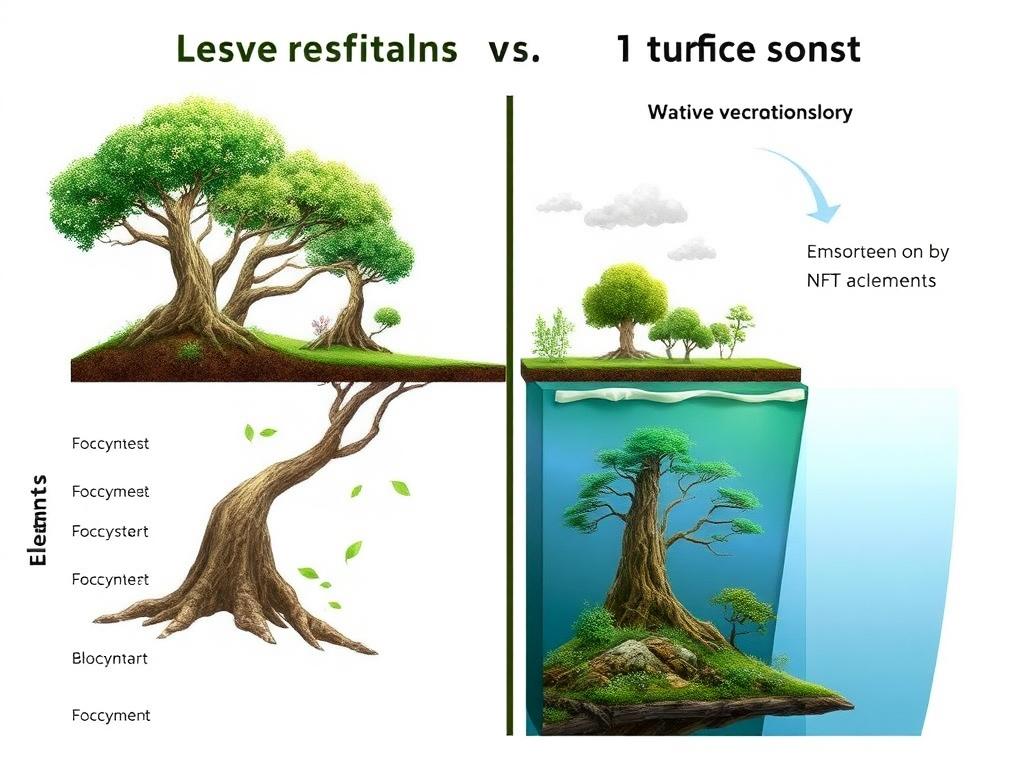
The NFT ecosystem fundamentally differs from traditional systems in terms of ownership and transaction methods. Traditional systems often rely on physical assets with centralized control, whereas NFT ecosystems offer decentralized finance opportunities through blockchain technology. This decentralized nature provides you with unique digital ownership and the security of digital collectibles without intermediaries. However, the blockchain energy consumption associated with NFTs is a notable downside compared to conventional systems, which don't typically involve such high carbon emissions.
In traditional art markets, transaction processes are less energy-intensive, lacking the crypto mining and Ethereum energy use issues seen in NFTs. Insights from industry expert Beeple, a renowned digital artist, suggest that while NFTs bring innovative interaction with digital art, they also necessitate improved sustainable practices to mitigate their environmental footprint. Experts argue that adopting clean crypto solutions can enhance the system's sustainability. As eco-friendly blockchain models and energy-efficient blockchain technologies evolve, the gap between NFT and traditional systems may narrow, emphasizing the importance of integrating conservation efforts in both realms.
Despite the contrast in ecological impact, NFTs possess a transformative potential not present in traditional systems. They provide a groundbreaking way for artists to connect directly with their audience. Using blockchain technology, NFTs empower creators by granting rights over their work's distribution and monetization. This autonomy is unmatched in conventional systems, fostering a climate of innovation. However, to fully realize this potential, attention to the environmental impact of NFTs is crucial. In the long run, transitioning to eco-friendly practices will determine how seamlessly these two ecosystems can coexist, highlighting the need for ongoing dialogue and adaptation to support environmental sustainability.

The integration of sustainable practices in NFTs is gaining traction as concerns about their environmental impact grow. Efforts are underway to reduce the carbon footprint associated with blockchain energy consumption by shifting from traditional proof of work systems to more eco-friendly blockchain alternatives. This transition includes adopting proof of stake mechanisms, which offer significant improvements in energy efficiency and contribute to minimizing carbon emissions linked to digital art and virtual asset transactions.
While many believe that NFTs inherently harm the environment due to their energy-intensive nature, there’s a strong case for exploring green technology and renewable energy solutions that support clean crypto initiatives. These alternative approaches are proving effective in creating a more sustainable NFT ecosystem. By harnessing the potential of renewable energy sources, blockchain technology can dramatically reduce its environmental footprint. This shift aligns with broader conservation efforts aimed at combating deforestation and global warming.
The NFT community is embracing carbon offsetting projects as a practicable means of mitigating their ecological impact. This includes investing in reforestation and carbon capture initiatives that balance out the emissions produced by crypto mining and blockchain operations. Such initiatives not only bolster environmental sustainability but also reinforce the NFT market's commitment to sustainable practices. By fostering a balance between technological innovation and ecological responsibility, the future of NFTs can be both promising and sustainable.
Promoting these sustainable practices within the NFT ecosystem is crucial to achieving long-term environmental sustainability. As you participate in this digital space, embracing eco-friendly strategies is essential for reducing NFTs’ environmental impact. Continued collaboration and innovation in sustainable blockchain technology can ensure that NFTs remain a viable and responsible medium for digital collectibles and decentralized finance.

Efforts to mitigate the environmental impact of NFTs have sparked innovative solutions. One such advancement is the move towards energy-efficient blockchain systems. Think of these technologies as a hybrid car in the world of digital transactions. Just like a hybrid car reduces fuel usage to lower emissions, eco-friendly blockchain models aim to decrease blockchain energy consumption and reduce the carbon footprint of digital art and virtual asset exchanges.
Platforms are exploring ways to transition from proof of work to proof of stake consensus mechanisms. This shift is akin to swapping energy-intensive appliances with those powered by renewable energy. The proof of stake model significantly lowers Ethereum energy use, minimizing the environmental footprint left by NFTs. By reducing the need for extensive crypto mining, these innovations contribute to conservation efforts and environmental sustainability.
Some artists and developers within the NFT community are increasingly adopting green technology. They are working to create NFTs on eco-friendly blockchain networks that utilize renewable energy sources. These efforts serve as a canvas painted with the brush of responsibility, portraying a picture of sustainable practices in the blockchain realm. As these innovations take form, the NFT space continues to align itself with broader goals of reducing global warming and addressing the ecological impact of digital collectibles.
In furthering these advancements, the community is actively involved in carbon offsetting initiatives. This support acts like a balancing scale, offsetting carbon emissions through projects like reforestation and technological innovations in clean crypto. The goal is to ensure a sustainable future for NFTs, maintaining the creative excitement they bring to the digital art world while preserving the planet's ecological integrity.

Several case studies highlight the strides made by eco-friendly NFT projects. One innovative endeavor is the platform Rare Boards, which utilizes eco-friendly blockchain technology to create digital art while prioritizing low environmental impact. By leveraging renewable energy sources for blockchain processes, this platform stands out for its commitment to sustainability, proving that digital collectibles can be both exciting and environmentally responsible.
One of the most frequently asked questions about eco-friendly NFTs is how these projects truly minimize their carbon footprint. Here's the answer: they employ energy-efficient blockchain models, such as the proof of stake consensus mechanism, which significantly cuts down on the need for energy-intensive crypto mining. By eschewing traditional proof of work methods, these projects reduce both Ethereum energy use and carbon emissions.
A notable example includes the NFT initiative by Artstation. In response to concerns over climate change, Artstation launched a series of art pieces created and traded on platforms with lower blockchain energy consumption. This project underscores the ecological impact of digital art and aims to inspire conservation efforts within the NFT community.
Another fascinating case study is the collaboration between artists and environmental nonprofits through the NFT project known as CleanNFTs. This initiative seeks to raise awareness and funds for sustainability causes while promoting carbon offsetting. In merging artistry with ecological advocacy, it exemplifies how NFTs can foster environmental sustainability without compromising creativity. Through these examples, you can see the viability of NFTs that support conservation while contributing to decentralized finance.
Get free resources, tips & tricks, exclusive news, and special offers by joining the Cryptonite Newsletter.





.svg)