
Cryptocurrency fundraising has revolutionized the way blockchain startups secure capital. You find yourself navigating a landscape where traditional methods intersect with innovative blockchain technology. In this realm, crypto fundraising mechanisms like Initial Coin Offerings (ICOs), Security Token Offerings (STOs), and Initial Exchange Offerings (IEOs) emerge as prominent players. Each of these models carries unique characteristics, from the largely unregulated ICOs often subject to scams, to STOs which bring legal implications and benefits of security tokens, and IEOs known for their advantages and restrictions linked to exchange platforms. By delving into these blockchain fundraising models, you’ll uncover the intricacies of tokenisation, smart contracts, and the legality surrounding digital currency projects, equipping yourself with knowledge critical for a sound investment strategy.

Crypto fundraising leverages blockchain technology to introduce innovative methods of securing capital. At its core, you encounter ICOs, STOs, and IEOs, each presenting unique ways for blockchain startups to raise funds. ICOs allow companies to sell utility tokens to early adopers without the burden of heavy regulations, a mix of high reward and risks including scams due to lack of legal oversight.
In contrast, STOs offer digital securities that comply with regulatory frameworks, providing more secure investment opportunities for you as a crypto investor. This aspect brings STO benefits like legal protections, but also introduces complexities such as STO legal implications that you must navigate. Security tokens often represent real-world assets, adding credibility and stability to the fundraising model.
IEOs take place on cryptocurrency exchanges, offering a more controlled environment that can benefit both project creators and investors. Exchanges conduct due diligence on the projects they host, mitigating risks and highlighting IEO advantages. However, this also introduces IEO restrictions and the need for adherence to the exchange's rules and standards, ensuring accountability.
One unpopular opinion about crypto fundraising is that the scrutiny and regulation inherent in STOs make them a safer and more reliable option compared to ICOs and IEOs. Despite the potential benefits, many crypto enthusiasts argue that these strict regulations stifle innovation and exclude smaller projects.
Understanding the dynamics of ICO vs STO vs IEO helps you determine your best investment strategy, considering factors like ICO regulations, the importance of whitepapers, and the distinction between utility tokens and security tokens. Diving into these fundraising models uncovers the nuanced landscape of blockchain fundraising models, from ICO risks to the established nature of bitcoin fundraising, fostering informed decision-making in your venture into digital currency investments.

ICOs have become a groundbreaking method of crypto fundraising, allowing blockchain startups to raise capital by issuing their own crypto tokens. These tokens usually operate on the Ethereum platform, utilizing smart contracts to automate the process. One major allure of ICOs is their ability to democratize investment opportunities, enabling you to participate in early-stage projects that might otherwise be inaccessible.
However, ICOs come with their own set of risks. In the words of Vitalik Buterin, "ICOs are a powerful tool that come with substantial responsibilities." The lack of stringent ICO regulations often leaves you vulnerable to scams and failed projects, making due diligence and thorough research indispensable. The importance of a well-crafted whitepaper cannot be overstated, as it offers vital insights into the project's potential and viability.
Despite the risks, ICOs continue to captivate both project creators and investors. The flexibility of issuing utility tokens provides immediate uses within the project's ecosystem, distinct from security tokens in STOs. As you navigate this space, understanding the risks versus rewards of ICO fundraising becomes paramount, guiding your investment strategy amid the dynamic world of digital currency and blockchain technology.

IEOs represent a transformative approach to crypto fundraising by leveraging the credibility and infrastructure of cryptocurrency exchanges. Unlike ICOs, IEOs are conducted directly on an exchange platform, offering an extra layer of security and trust. According to recent studies, this model helps mitigate risks by ensuring that exchanges conduct their own due diligence on projects, safeguarding your investments better than the relatively unregulated ICO models.
One of the significant advantages of IEOs is the built-in access to a broad base of crypto investors already involved with the exchange. This simplifies the tokenisation process and can accelerate fundraising efforts. However, this convenience comes with IEO restrictions such as adhering to the exchange's rules and potential listing fees, elements you must consider in your investment strategy.
Exchanges often require projects to draft detailed whitepapers and undergo rigorous vetting procedures. This ensures that only credible projects make it to the launch phase, minimizing the occurrence of IEO scams. In contrast to security tokens in STOs, the tokens offered during an IEO are typically utility tokens, which are easier to manage and trade within the project's ecosystem.
IEOs streamline not just the fundraising model but also investor participation. Your experience as an investor becomes smoother with fewer complexities involved. This makes IEOs a compelling option in the dynamic world of blockchain technology and digital currency, standing out for their structured approach and enhanced trust mechanisms.

One of the challenges in the realm of crypto fundraising is navigating the legal complexities and regulatory scrutiny associated with traditional investment forms. Security Token Offerings (STOs) address this issue by offering a compliant framework that aligns with regulatory standards. Unlike ICOs, STOs require thorough vetting and adherence to the securities laws, providing a more secure and transparent investment environment. This robust regulation fosters greater trust among crypto investors, distinguishing STOs from other blockchain fundraising models.
STOs leverage smart contracts to tokenize real-world assets, offering you security tokens that typically represent equity, bonds, or real estate. This tokenisation process ensures that your investment is backed by tangible assets, mitigating some of the inherent risks present in utility token offerings. STO benefits include not only enhanced compliance but also potential for broader market appeal, attracting institutional investors to the decentralized finance space. By addressing the legality of ICO scams and leveraging blockchain technology, STOs help you navigate a safer, more regulated crowdfunding landscape for your investment strategy.
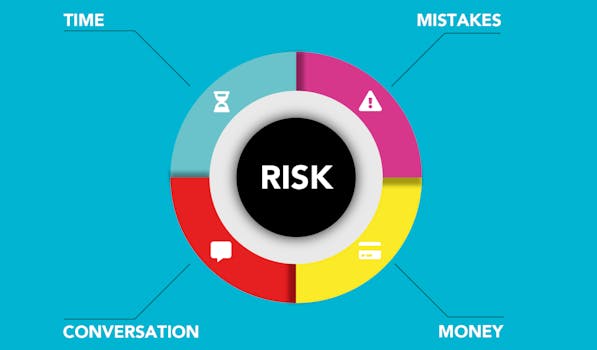
When comparing ICOs, IEOs, and STOs, you can start by examining their core structures. ICOs emerged as the pioneering model of crypto fundraising, allowing blockchain startups to sell utility tokens directly to the public. However, the lack of ICO regulations has led to increased risks, including scams and flawed projects. On the other hand, IEOs, facilitated through cryptocurrency exchanges, offer enhanced trust and due diligence but come with restrictions and additional costs for listing projects.
STOs take a different approach by providing security tokens backed by real assets and complying with legal frameworks. This makes them more attractive to institutional investors and offers a more secure investment avenue. The legal implications associated with STOs can be cumbersome but ensure greater regulatory compliance and investor confidence.
Looking ahead, the evolution of blockchain fundraising models is expected to be driven by regulatory clarity and technological advancements. As decentralized finance continues to mature, you may witness more hybrid models incorporating elements of ICOs, IEOs, and STOs. This evolution will likely include improved tokenisation methods, advanced smart contracts, and enhanced investor protection mechanisms. These changes could offer a balanced landscape where blockchain startups can innovate while ensuring robust security and legality for investors.

Choosing the right crypto fundraiser involves understanding the historical context and evaluating your investment strategy. Tracing its evolution from the inception of ICOs in 2013, you can observe how early blockchain startups leveraged this unregulated method to raise capital swiftly. ICOs offered significant crowdfunding potential but introduced ICO risks, including a lack of regulatory oversight and instances of ICO scams. This historical backdrop highlights the importance of rigorous research, emphasizing the whitepaper's importance and the utility tokens’ role in the project.
You should also consider the nuances between ICOs, IEOs, and STOs. IEOs, managed on crypto exchanges, offer a layer of due diligence and IEO advantages like immediate access to established investor bases. However, IEO restrictions can impact the flexibility of your investment choices. On the other hand, STOs provide security tokens backed by real assets, ensuring compliance with legal standards. These come with associated STO benefits but also introduce complexities due to STO legal implications. By examining these aspects and understanding the ICO vs STO vs IEO dynamics, you can craft a well-informed investment strategy in the rapidly evolving field of crypto fundraising.
Get free resources, tips & tricks, exclusive news, and special offers by joining the Cryptonite Newsletter.





.svg)