In the ever-evolving world of cryptocurrencies, ensuring the security of your digital assets is paramount. With the increasing prevalence of crypto security breaches, it is crucial to adopt unhackable strategies for asset safety. This guide delves into various methods for safeguarding your digital currency, including the use of digital wallets and cryptographic keys. You’ll learn about the importance of private and public keys, password protection, and blockchain encryption. Moreover, the guide explores advanced crypto security practices such as two-factor authentication, multi-signature wallets, and the utility of hardware wallets or cold storage solutions. Biometric security, decentralized exchanges, and secure crypto exchanges are discussed in detail, along with anti-phishing measures and VPNs for crypto safety. Understanding recovery seed phrases, encrypted crypto storage, and the role of smart contracts will also be covered, ensuring you have the tools necessary for maximum asset protection.
Crypto security forms the backbone of your financial freedom in the digital world. As cryptocurrencies become more mainstream, the measures you take to protect your digital assets are increasingly important. With blockchain technology providing the framework, safeguarding your digital currency revolves around understanding and utilizing digital wallets, cryptographic keys, and multi-layered security protocols like two-factor authentication and multi-signature wallets.
Key components of crypto security include private and public keys. These keys enable secure cryptocurrency transactions and prevent unauthorized access. The private key is a critical element to keep confidential, while the public key, conversely, helps in receiving funds. Understanding these keys' significance can significantly boost your asset protection strategy.
Utilizing advanced crypto security techniques can also be a game-changer. For instance, incorporating biometric security features on mobile crypto wallets or opting for cold storage options like hardware or paper wallets adds an extra layer of protection. Encrypted crypto storage can further enhance your defenses, guarding against potential breaches.
To make the most of safeguarding digital currency, try implementing anti-phishing measures and using VPNs for crypto safety. These practical tips can shield your assets from hackers and fraudsters while ensuring that your online activities remain private and secure. By adopting these strategies, you deepen your digital asset security and create a virtually unhackable fortress for your investments.

Your cryptocurrency can be stolen through a variety of sophisticated methods. One common way is via phishing attacks, where malicious actors create fake websites or emails to trick you into revealing your private keys or recovery seed phrases. This deception can lead to unauthorized access to your digital wallets, jeopardizing your digital asset security.
Cybercriminals may also exploit vulnerabilities in mobile crypto wallets or hardware wallets. By installing malware, they can intercept and steal your cryptographic keys, compromising your cryptocurrency security. Blockchain technology is robust, but individual security measures must be stringent to prevent such breaches.
One of the most frequently asked questions about crypto security is how to protect against sophisticated cyber-attacks. Implement advanced crypto security measures such as two-factor authentication and multi-signature wallets to enhance your asset protection. These features provide additional layers of defense, making it much harder for unauthorized parties to execute transactions without your approval.
Despite the decentralized nature of blockchain, using insecure or compromised crypto exchanges can lead to severe crypto security breaches. Always prefer secure cryptocurrency transactions on reputable platforms that use blockchain encryption and conduct regular security audits. By taking these precautions, you significantly reduce the risk of losing your assets to theft and fraud.
Implementing basic security measures is essential to protect your cryptocurrency assets. Start with password protection, ensuring you use strong, unique passwords for your digital wallets. Never share your private keys, and store your recovery seed phrases in a secure location. This fundamental step is crucial for safeguarding digital currency against unauthorized access.
To enhance your cryptographic keys' security, use two-factor authentication (2FA) for all accounts related to your digital asset security. This additional layer makes it significantly harder for attackers to gain control of your funds. Multi-signature wallets are another effective measure; they require multiple approvals for transactions, adding an extra defense barrier.
In the next few years, mobile crypto wallets will likely incorporate more advanced biometric security features, making it even easier and safer to manage your funds on the go. As blockchain technology evolves, expect continuous advancements in encryption and other security protocols, further fortifying your asset protection.
Anti-phishing measures and malware protection are indispensable in maintaining crypto cybersecurity. Regular updates, VPNs for crypto safety, and the practice of using secure cryptocurrency transactions on well-established, secure crypto exchanges can significantly mitigate the risk of crypto security breaches, ensuring a higher level of protection for your investments.
Choosing the right crypto wallet is a crucial step in ensuring your cryptocurrency security. Digital wallets come in various forms, each with unique features designed to offer specific levels of asset protection. For instance, hardware wallets provide an offline storage solution, making them less vulnerable to online attacks compared to mobile crypto wallets.
Cold storage options, such as paper wallets and hardware wallets, are highly recommended for long-term investors. These wallets store your cryptographic keys offline, reducing exposure to malware and hacking attempts. For example, the Ledger Nano S is a popular hardware wallet that uses robust security protocols to safeguard digital currency.
For active traders, mobile crypto wallets and desktop wallets can offer more convenience and accessibility. It's important to choose wallets that include advanced security features, such as two-factor authentication and biometric security. Ensuring that your digital wallet supports multi-signature functionality can provide an extra layer of protection for secure cryptocurrency transactions.
Opting for wallets with encrypted crypto storage capabilities can greatly enhance your digital asset security. For example, the Trezor Model T not only stores your private keys securely but also offers password protection and recovery seed phrases. These features are designed to ensure that your digital assets remain secure even if your wallet is lost or damaged.
Consider the ease of integration with decentralized exchanges and secure crypto exchanges when choosing a wallet. An example of an efficient and secure wallet is the Exodus wallet, which integrates directly with several decentralized exchanges, providing a seamless and secure trading experience. By carefully assessing these factors, you can choose a crypto wallet that best suits your needs and provides the highest level of security for your digital assets.
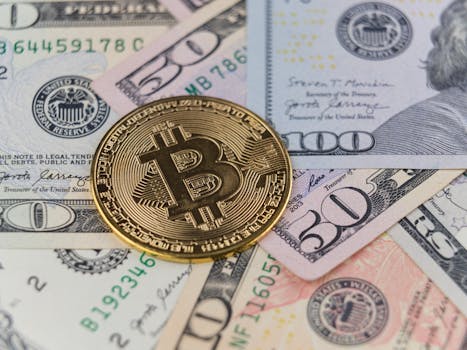
Cryptocurrency exchanges are the platforms where you can trade your digital assets. They come in various forms, each offering different features designed to enhance usability and security. There are centralized exchanges like Coinbase, providing user-friendly interfaces, but often at the expense of handing over control of your private keys to the exchange.
Looking at decentralized exchanges through the lens of cryptocurrency security, we can see that these platforms, such as Uniswap, offer a unique advantage. Since they operate without a central authority, decentralized exchanges give you more control over your assets and cryptographic keys, thus enhancing your digital asset security. Transactions here are often more secure as they leverage the robust blockchain technology and smart contracts to facilitate trades.
To ensure secure cryptocurrency transactions, choose exchanges that enforce advanced security measures such as two-factor authentication, anti-phishing measures, and encrypted crypto storage. Some exchanges also support multi-signature wallets, adding an additional layer of asset protection. Opting for exchanges with these features can significantly reduce the risk of crypto security breaches.
While selecting an exchange, it’s crucial to consider the integration with your digital wallets. For instance, mobile crypto wallets paired with VPNs for crypto safety can add an extra layer of security. By understanding these nuances, you can make informed decisions about where to trade, keeping your cryptocurrency portfolio secure and well-protected.

Holding your private keys offline is one of the most effective ways to secure your digital assets. By using hardware wallets or paper wallets, you completely disconnect your cryptographic keys from vulnerable online environments. This significantly mitigates the risks associated with malware and phishing attacks, bolstering your asset protection through advanced crypto security measures.
Did you know? Approximately 23% of all crypto security breaches occur due to compromised online wallets. By holding your private keys offline, you greatly reduce this risk. Hardware wallets like the Ledger Nano S or Trezor offer secure offline storage, employing blockchain encryption to keep your keys safe from unauthorized access.
Cold storage solutions are particularly beneficial for those who prioritize digital asset security. These offline storage methods, such as paper wallets, store your cryptographic keys physically, ensuring they are immune to cyber-attacks. This form of cold storage is an effective anti-phishing measure and provides robust password protection for your sensitive information.
To enhance your security further, you can use a combination of mobile crypto wallets for small, everyday transactions, and hardware wallets for long-term storage. The use of multi-signature wallets, two-factor authentication, and biometric security features can add additional layers of defense. These strategies collectively offer an advanced approach to safeguarding digital currency, making your assets far less susceptible to crypto cybersecurity threats.
Get free resources, tips & tricks, exclusive news, and special offers by joining the Cryptonite Newsletter.





.svg)