
As you delve into the potential of blockchain for environmental sustainability, you observe its transformative role in promoting eco-friendly practices worldwide. Blockchain's innovative nature offers a promising pathway to address global environmental challenges. By reducing blockchain's carbon footprint and energy consumption, the technology is evolving into a platform for substantial sustainability. Through enhancing energy efficiency and supporting renewable energy, blockchain paves the way for green technology adoption. Eco-friendly blockchain initiatives contribute significantly to reducing pollution and global warming, making them pivotal in sustainability strategies. While the ecological impact is still emerging, projects focusing on emissions reduction and natural resource conservation promise improved biodiversity and minimal waste. As blockchain and carbon offsetting strategies advance, the technology’s environmental benefits become increasingly tangible. Offering sustainable solutions and waste management opportunities, blockchain's impact on environmental sustainability becomes ever more evident in this evolving landscape.

Blockchain technology represents a decentralized digital ledger system that records transactions across multiple devices, ensuring transparency and security. This innovative technology provides an opportunity for reducing both blockchain energy consumption and carbon footprint, aligning with goals of sustainability. As you explore blockchain's potential, recognize its role in efficiently managing energy and promoting green technology initiatives that aim to minimize global ecological impacts.
To grasp blockchain technology’s full impact on the environment, you must shift your mindset from viewing it as merely a financial tool to embracing it as an engine for sustainable innovation. By understanding this, you can appreciate its applications in enhancing resource efficiency and reducing pollution, thus supporting an eco-friendly blockchain environment.
An essential aspect of blockchain technology is its ability to facilitate renewable energy solutions. By enabling peer-to-peer energy trading, blockchain promotes the use of sustainable energy sources, potentially transforming the way energy systems operate. Such initiatives highlight blockchain’s capability to drive green energy transitions and amplify efforts in combating global warming.
Blockchain’s innovative applications extend to waste management and recycling, offering real-world solutions for sustainability. By integrating blockchain in waste management processes, the technology ensures transparency and efficiency, which are pivotal in minimizing waste and enhancing resource management. This reflects blockchain’s potential in significantly contributing to environmental sustainability, thus supporting ongoing global efforts against climate change.

Traditional blockchains face significant environmental challenges, primarily due to their high energy consumption. The process of mining, which underpins many blockchain networks, notably contributes to a substantial carbon footprint. This intense energy demand often stems from fossil fuels, amplifying global warming concerns and raising questions about blockchain climate change impacts. You must consider how such energy use aligns with eco-friendly objectives and the growing call for sustainable blockchain solutions.
Looking at the environmental impact of cryptocurrency through the lens of resource inefficiency, you see traditional blockchains as critical contributors to energy wastage. Their resource-intensive nature results in excessive consumption patterns that hinder blockchain energy efficiency. This inefficiency also affects blockchain and pollution levels, emphasizing the need for a shift towards more responsible energy management practices within blockchain projects.
The environmental challenges extend beyond energy consumption, as traditional blockchains also impact biodiversity and natural resources. The vast amount of electronic waste generated poses risks to ecosystems, challenging the principle of blockchain sustainability. By understanding these challenges, you recognize the urgent necessity for blockchain eco-innovation and technological advancements aimed at minimizing the blockchain energy footprint and promoting sustainable practices.
Efforts to address these environmental challenges have led to the exploration of green blockchain initiatives. These initiatives focus on reducing emissions and improving energy conservation, driving blockchain towards a future aligned with renewable energy solutions. Such a shift promises a transition from traditional models to blockchain green technology, reducing adverse ecological impacts and enhancing overall sustainability.

Eco-friendly blockchain innovations are driving transformative changes within the blockchain environment by prioritizing energy efficiency and sustainability. These green initiatives focus on minimizing the blockchain carbon footprint and energy consumption to align with global environmental goals. Sustainable blockchain solutions are actively emerging, contributing to reduced ecological impacts while promoting technology that is both accountable and advanced.
Think of eco-friendly blockchain innovations as a thriving ecosystem. Just like a balanced ecosystem, they work because they harmonize energy use with environmental benefits, reducing pollution and supporting biodiversity. These innovations facilitate an effective response to blockchain climate change, inspiring a more responsible use of resources and fostering green technology growth.
Advancements in blockchain technology have ushered in renewable energy projects that offer substantial reductions in emissions. By incorporating blockchain and carbon offsetting strategies, these innovative solutions bring about impactful change, demonstrating a commitment to energy conservation. An emphasis on renewable energy reinforces blockchain's potential to combat global warming, alongside efforts to reduce energy usage.
These eco-friendly projects serve as a catalyst for broader blockchain recycling and waste management efforts, underscoring a commitment to resource efficiency. By promoting blockchain eco-innovation, you witness a concerted effort across the industry to achieve both technological advancements and environmental benefits, paving the way for a more sustainable future.
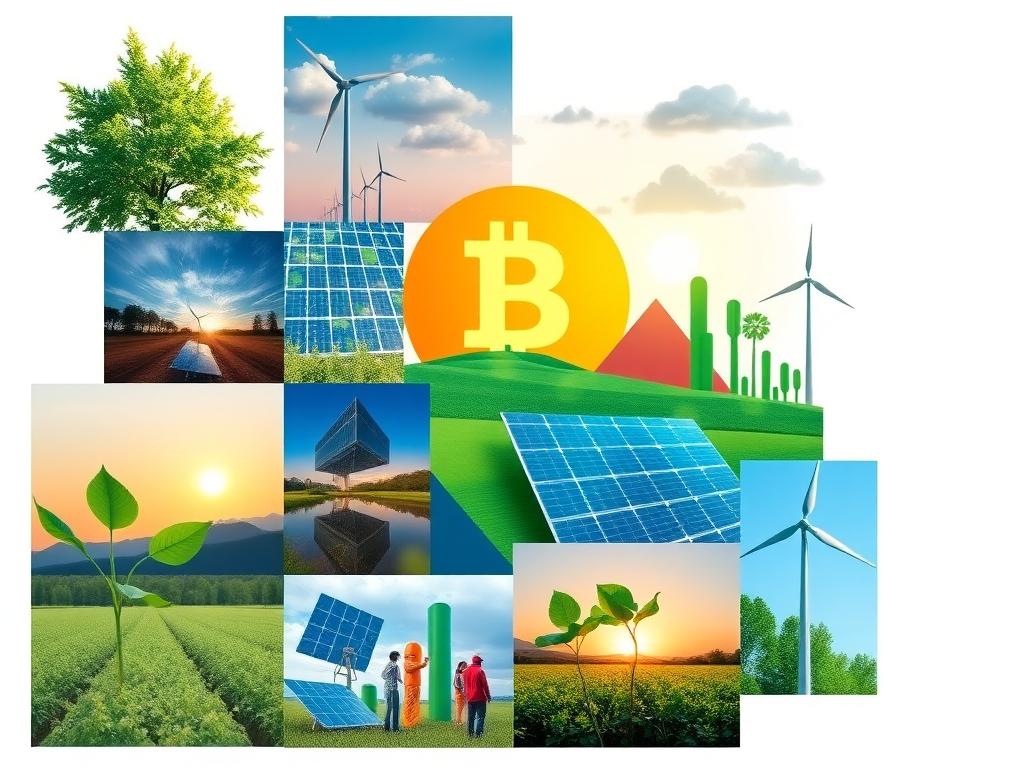
Examining case studies of sustainable blockchain use reveals innovative strategies that address pressing environmental challenges. One significant issue in the blockchain environment is the high energy consumption associated with mining processes. This challenge can be tackled through the development of proof-of-stake systems, which significantly reduce energy usage compared to traditional proof-of-work methods. By employing such solutions, blockchain projects enhance energy efficiency and decrease their carbon footprint, showcasing a shift towards blockchain sustainability.
For instance, the Energy Web Foundation has implemented blockchain technology to support renewable energy production and green energy blockchain projects. This initiative leverages blockchain to authenticate and manage energy transactions, ensuring transparency and encouraging the adoption of renewable resources. By facilitating blockchain carbon offsetting and emissions reduction, this project exemplifies how blockchain can contribute positively to climate change mitigation efforts, promoting eco-friendly outcomes.
In a notable case, the Plastic Bank uses blockchain green technology for waste management and resource efficiency. This initiative encourages recycling by offering cryptocurrency rewards for collecting plastic waste, effectively reducing pollution. By providing incentives and ensuring transparent processing, it addresses both urban waste management and blockchain sustainability strategies. Projects like this highlight blockchain's potential for environmental benefits and its capacity to foster a circular economy.
Another inspiring example involves Veridium, a company utilizing blockchain for carbon credit trading to lower their ecological impact. This strategy enables businesses to automatically calculate and offset their carbon emissions. By integrating blockchain with carbon offsetting processes, Veridium illustrates the capacity of blockchain eco-innovation to provide sustainable solutions. The success of such projects underscores how adopting these technologies can effectively contribute to mitigating the environmental impact of cryptocurrency and evolving towards a more sustainable digital ecosystem.
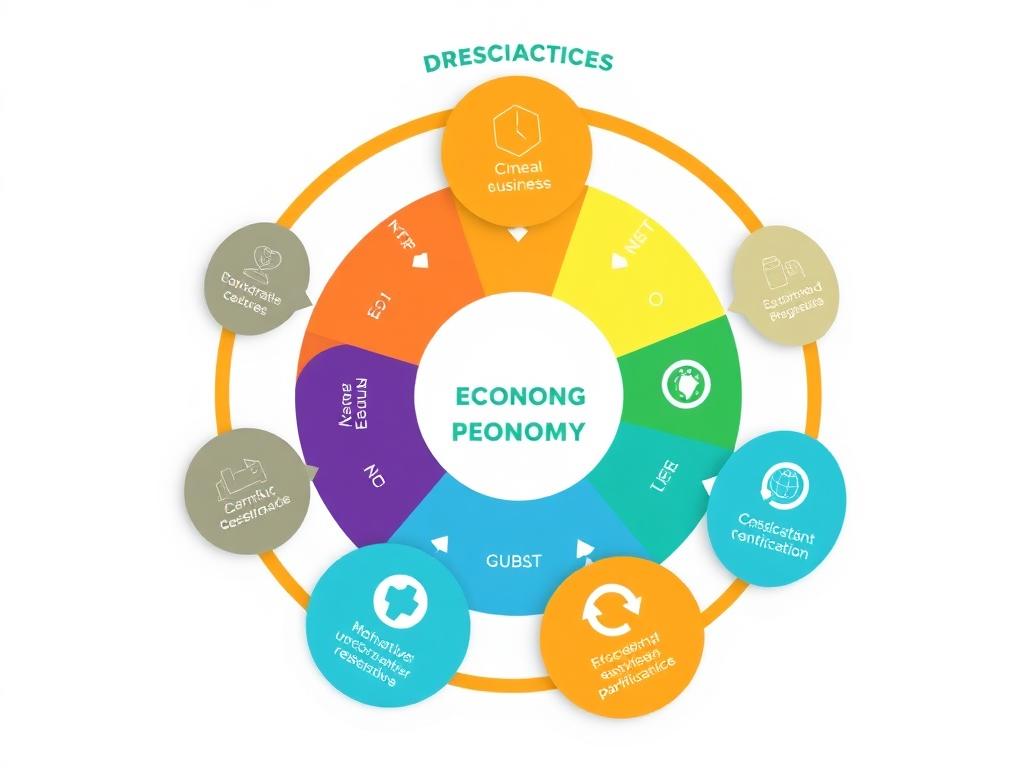
Blockchain technology is pivotal in advancing the circular economy by improving transparency and accountability in resource management. Through decentralized ledgers, blockchain promotes efficient tracking and recycling of materials, driving eco-friendly projects and reducing waste. These initiatives support sustainable blockchain solutions, ultimately helping mitigate the environmental impact of cryptocurrency activities within the blockchain environment.
One of the advantages of blockchain in a circular economy is its potential to encourage blockchain recycling. By fostering a system where materials are reused and repurposed, blockchain contributes to resource efficiency and natural resource conservation. The integration of blockchain in circular practices not only benefits resource management but also aids in carbon footprint and energy consumption reduction efforts.
To effectively leverage blockchain in the circular economy, consider adopting blockchain eco-innovation strategies that enhance the recyclability of products. By developing platforms that accurately track product lifecycle and material origins, you ensure the sustainability and environmental benefits of blockchain technologies. Such practical approaches facilitate a seamless transition to circular models and promote blockchain emissions reduction.
Blockchain's application extends to emissions trading and green initiatives, which further fuel the circular economy. By facilitating carbon offsetting and energy conservation measures, blockchain technology assists in addressing global warming concerns. These measures demonstrate the power of blockchain and pollution management in shaping sustainable, circular economic systems.
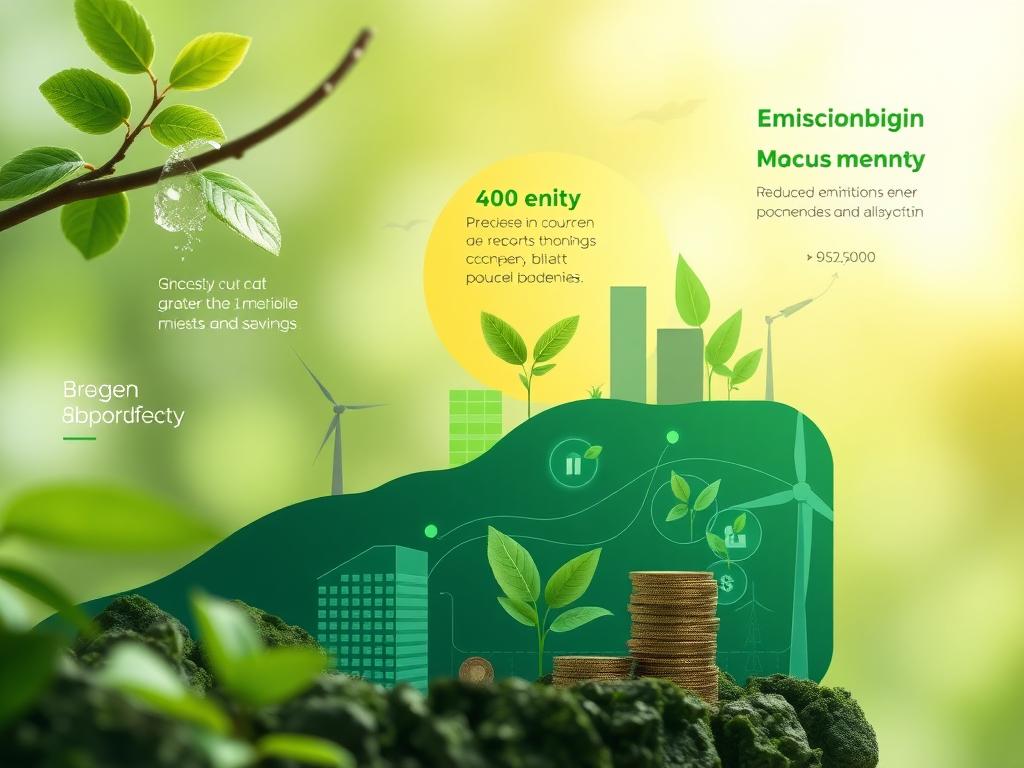
Eco-friendly blockchains bring significant advantages by reducing blockchain energy consumption and enhancing energy efficiency. These sustainable solutions address the environmental impact of cryptocurrency, leading to a substantial decrease in the carbon footprint of blockchain networks. By prioritizing green technology, eco-friendly blockchains pave the way for more sustainable practices in the blockchain environment, balancing technological advancement with ecological needs.
Implementing eco-friendly blockchain solutions results in improved resource efficiency and reduced pollution. Blockchain and natural resources management become more effective, promoting biodiversity and minimizing ecological impacts. The adoption of sustainable blockchain strategies aids in emissions reduction and supports global efforts in tackling climate change. These benefits exemplify blockchain's potential to align economic growth with environmental preservation.
Looking ahead, the development of eco-friendly blockchains is expected to evolve with innovations focused on renewable energy integration and blockchain carbon offsetting measures. Future advancements might enhance blockchain recycling and waste management, further solidifying their environmental benefits. With these developments, the blockchain ecosystem could witness a shift towards more comprehensive sustainability strategies that address both present demands and future ecological challenges.
The advantages also include fostering green blockchain initiatives that not only mitigate adverse climate impacts but also drive economic incentives. As eco-friendly blockchains gain traction, they offer a promising outlook for reducing the blockchain energy footprint and supporting conservation efforts. These initiatives could fundamentally transform how blockchain is perceived, shifting the narrative to one of environmental stewardship and technological progress.
Get free resources, tips & tricks, exclusive news, and special offers by joining the Cryptonite Newsletter.





.svg)